



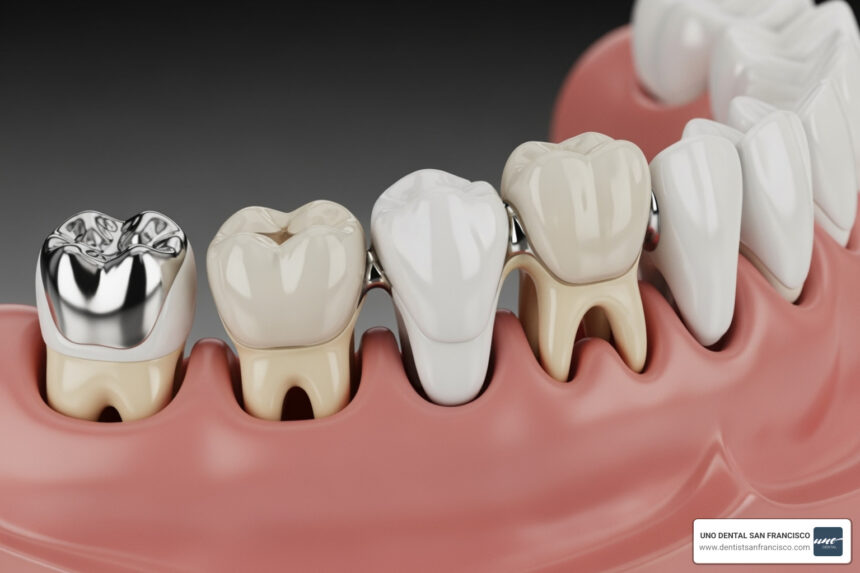
Dentists use restorative materials called dental fillings to repair teeth damaged by decay, wear, or minor trauma. Their primary purpose is to restore the normal function and integrity of a damaged tooth while preventing further structural issues. When a cavity forms, a dentist removes the decayed portion and fills the cavity to protect the remaining tooth structure. Fillings can wear down, chip, or crack over time, and this often requires repair or replacement. Understanding these basic factors helps you make informed choices about your dental care and sets clear expectations for the procedure.
Amalgam Fillings: Durable but Noticeable
Amalgam fillings are made from a precise mixture of metals, including silver, tin, copper, and mercury. Dental professionals have used this material for its reliable durability and strength. Amalgam is resistant to wear, making it a practical choice for large cavities in the back teeth, and it can easily withstand the strong forces of chewing that molars endure. Amalgam fillings do have drawbacks. The most notable is their appearance; the dark silver color contrasts sharply with natural tooth enamel, so they are often avoided in visible areas. Preparing a tooth for an amalgam filling typically requires removing more healthy structure to securely anchor the material. Temperature changes can cause metals to expand or contract, sometimes leading to tooth sensitivity or stress over time.
Composite Fillings: Aesthetic Appeal
Composite fillings are made with a specialized blend of plastic resin and finely ground glass-like particles, allowing them to closely match the shade and texture of your natural teeth. Many people choose composite fillings for their appearance. The material blends well with your teeth and is particularly suitable for visible areas of the mouth. Composite resin is versatile, so dentists can use it to repair chipped, broken, or worn teeth as well as to fill cavities. While composite fillings look natural, they sometimes do not last as long as metal alternatives and can wear down faster under heavy chewing pressure. As a result, they sometimes need to be replaced sooner. The placement process takes longer because the tooth must remain completely dry, and the material is applied and cured in several thin layers using a specialized light.
Gold Fillings: Reliable and Long-Lasting
Dental technicians create gold fillings, also known as gold inlays or onlays, from a specially formulated gold alloy. These restorations are crafted in a dental laboratory, and they are custom-fit to your tooth, resulting in a tailored solution. Dentists have used gold fillings because of their proven track record for strength and endurance.
Pros of Gold Fillings:
- Exceptional Durability: Gold fillings frequently last for many years and are resistant to wear, even under substantial chewing pressure or in large cavities.
- Precision Fit: Laboratory fabrication offers a precise fit, which can contribute to long-term function and stability.
Cons of Gold Fillings:
- Aesthetics: Gold fillings are easily visible and do not match the natural color of teeth, so they are typically used for molars or out-of-sight areas.
- Multiple Appointments: Placement often requires at least two dental visits since the gold filling must be custom-made in a lab and then fitted at a second appointment.
When evaluating gold fillings, factor in both the long-term durability and the investment involved, so you can make a decision aligned with your dental needs and personal preferences.
Ask a Dentist Today
Selecting filling material depends on the cavity location, the extent of the decay, and your individual priorities. Both amalgam and composite options offer unique advantages and specific drawbacks. A dental professional can accurately assess your situation and provide straightforward guidance on the best approach for your mouth. Discuss these options with your provider, so you can choose a material that fits your lifestyle. Ask your dentist any questions about the procedure, the longevity of the materials, or the expected recovery process.