


Acne breakouts may leave visible marks on the skin long after the active blemishes clear. These persistent marks, known generally as acne scars, can alter the skin’s natural texture and tone. For individuals seeking to refine their skin surface, aesthetic clinics offer advanced technological options. One common approach is laser treatments and skin resurfacing. This procedure utilizes concentrated light energy to target uneven skin texture and promote cellular renewal. It provides a non-surgical option for individuals looking to address the long-term physical remnants of acne.
What Is Laser Treatment?
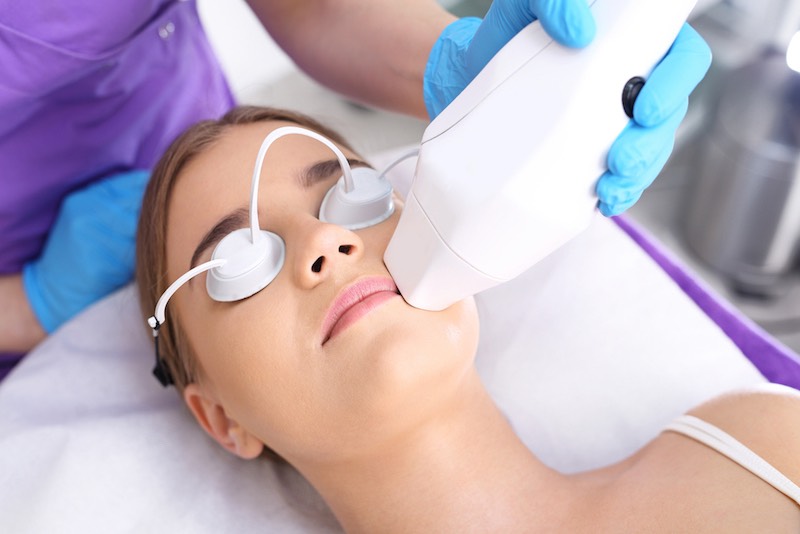
Laser treatment for skin irregularities involves applying light to the targeted areas, and aesthetic professionals can use fractional carbon dioxide lasers or similar advanced optical devices. The machine directs fractional laser energy into the skin, creating microscopic channels while leaving the surrounding healthy tissue unharmed. This precise application triggers the body’s natural healing response.
The skin repairs these microscopic areas and produces new collagen. Collagen is a structural protein that gives the skin its firmness and smooth appearance. Over time, the newly generated collagen helps to fill in the depressed areas caused by acne scars. The treatment gently exfoliates the outermost layer of damaged skin so that new, healthier skin emerges as the healing process unfolds.
Providers may adjust the intensity of the laser based on the specific depth and severity of the scarring. This customization allows for targeted therapy that addresses individual skin textures without affecting the deeper layers of tissue. Modern laser systems can prioritize maximum comfort, facilitating faster recovery compared to older ablative technologies.
Who Is It For?
This aesthetic service serves individuals experiencing uneven skin texture, which includes those with residual marks from past acne breakouts. Candidates generally include healthy adults, including those with realistic expectations about the outcomes of cosmetic procedures. Those with depressed or pitted acne scars can see visible improvements in their skin’s overall texture.
The treatment is suitable for various skin types, though a thorough evaluation by a professional must take place before proceeding. During a consultation, a provider reviews the individual’s medical history, current skin condition, and aesthetic goals. People with active acne breakouts or certain skin infections may need to wait until their skin clears before undergoing laser therapy.
What Should You Expect?
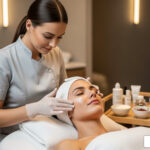
Preparing for the session involves a comprehensive consultation where the provider can explain the exact steps involved. On the day of the procedure, the practitioner applies a topical anesthetic to the treatment area to maximize patient comfort. The laser application itself typically lasts between 20 and 45 minutes, but it depends on the size of the targeted region. Patients often report feeling a warm sensation or mild snapping against the skin as the device moves across the surface.
Immediately following the session, the skin normally appears red and feels warm, resembling a mild sunburn. Swelling may occur during the first few days. Between the third and seventh day, the outermost layer of skin will begin to flake or peel, which is a normal part of the process.
By the end of the first week or early into the second week, most individuals resume their regular daily routines. The visible results continue to develop over several months. Clinics supply strict post-care instructions, which typically include avoiding direct sun exposure and maintaining consistent skin hydration to support optimal healing.
Seek Professional Aesthetic Services
Addressing acne scars requires specialized equipment and advanced clinical training. Choosing a qualified aesthetic professional prioritizes your safety and encourages the effectiveness of the chosen intervention. An experienced provider will guide you through the available options, designing a comprehensive plan.