


Dental braces are orthodontic devices designed to align and straighten teeth. These tools apply continuous, gentle pressure over time to move teeth into their desired positions. Understanding the basics about braces helps you make an informed decision. The primary goal of any orthodontic device is to improve the bite and alignment of the teeth. The most common options available today include regular metal braces, ceramic braces, and clear aligners like Invisalign. Choosing the right orthodontic treatment requires understanding the available options, and patients can select from several effective methods based on their specific needs.
Regular Metal Braces
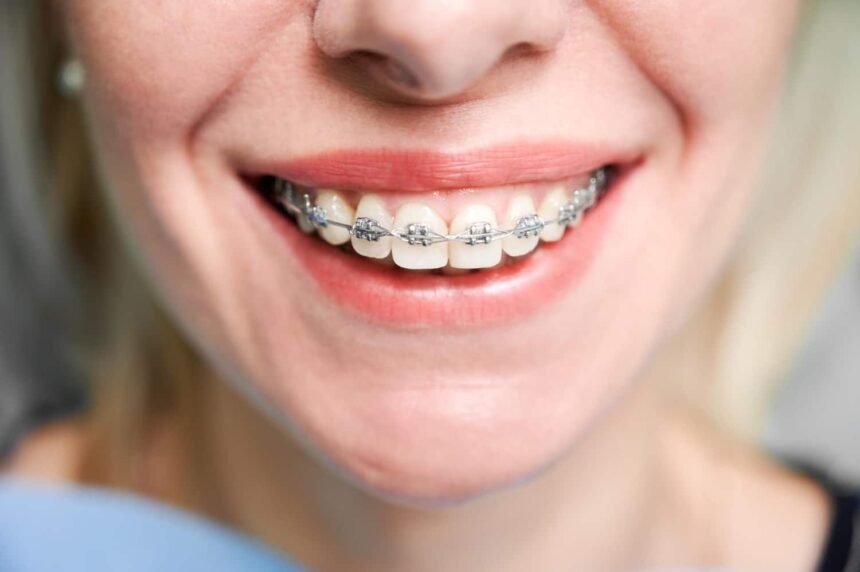
Regular metal braces are the traditional approach to orthodontic treatment, and they consist of high-grade stainless steel brackets and wires. Orthodontists attach these metal brackets directly to the front surface of each tooth using a specialized dental adhesive. A flexible metal wire, known as an archwire, connects the brackets to guide tooth movement throughout treatment. Metal braces are recognizable by the small elastic bands used to hold the archwire in place. These bands come in various colors, allowing for a personalized appearance.
Key characteristics of regular metal braces include:
- Durable materials that resist breaking or chipping
- Effective mechanics for correcting complex or severe alignment issues
- Fixed placement that requires professional adjustment
- Dietary restrictions to prevent damage to the brackets and wires
Ceramic Braces
Ceramic braces function much like traditional metal braces, but they offer a less visible appearance. Instead of stainless steel, these braces use clear or tooth-colored ceramic brackets that are slightly larger. The archwires can also be frosted or tooth-colored to blend in seamlessly with your natural teeth. This makes them a choice for patients who want a less noticeable treatment option, but they require careful cleaning to prevent staining the clear elastic bands. Ceramic braces can discolor when exposed to pigmented foods and beverages, such as coffee, tea, or tomato sauce. This system requires diligent oral hygiene routines to help maintain its discreet appearance and support effective treatment.
Clear Plastic Aligners
Clear plastic aligners like Invisalign represent a distinct category of orthodontic devices. Instead of using fixed brackets and wires, this system uses a series of custom-made, clear plastic aligners; patients wear these snug-fitting aligners directly over their teeth to gradually shift their teeth into place. Every few weeks, the patient switches to a new set of aligners to continue the progression.
Because the system relies on removable trays, patient compliance is recommended for the treatment to progress as planned. Users commit to wearing the trays for 22 hours every single day. Patients remove the aligners during meals, so they can eat their regular diet without restrictions.
Key characteristics of Invisalign include:
- Removable for eating, drinking, brushing, and flossing
- Smooth plastic material that avoids irritating the cheeks and gums
- Requires strict dedication to the daily wear-time guidelines
Ask About Braces Options Today
Selecting the right orthodontic device depends on your lifestyle, aesthetic preferences, and specific alignment requirements. Every patient has unique dental characteristics that require careful evaluation by an orthodontic professional. Understanding these three main options provides a helpful starting point for your research and preparation; discuss them with a dental professional to determine which system aligns with your specific situation. Schedule a consultation to review your orthodontic options, ask questions about the process, and begin mapping out a treatment plan for your teeth.