


The shoulder joint is prone to various complex injuries. A wide range of treatments exists for these conditions, and medical professionals can guide patients toward a procedure that can help resolve their issue. To help patients improve their range of motion and pain levels, surgeons sometimes recommend surgical interventions. Here is more information about solutions in the field of orthopedics that treat the causes of shoulder pain:
Discovering Shoulder Pain Causes
When patients experience shoulder discomfort for numerous reasons, doctors diagnose the mechanism of injury. The field of orthopedics is focused on the diagnosis of musculoskeletal issues, and orthopedists provide surgery and treatment. A few main conditions trigger joint distress on a regular basis.
Here are some examples of conditions that may cause shoulder joint pain:
- Bursitis develops when small fluid sacs become inflamed.
- Osteoarthritis degrades the cartilage over prolonged periods.
- Frozen shoulder restricts movement, and it causes severe stiffness.
- Rotator cuff tears cause weakness during basic arm elevations.
Diagnosing Joint Discomfort
Doctors employ imaging techniques to identify joint damage. An X-ray reveals bone fractures, and it highlights structural abnormalities clearly. An MRI visualizes soft tissues like ligaments or tendons. While these noninvasive scans provide clear pictures, physicians sometimes need a closer look. Radiologists may also analyze the test results.
During an arthroscopy procedure, surgeons insert a tiny camera into the joint space. The device displays high-definition video on a monitor, and the medical team inspects the area. Because this method is minimally invasive, patients recover quickly. The surgeon views the internal structures in real time.
Accurate assessments drive successful medical interventions. Physicians interpret the diagnostic reports, and they outline the appropriate therapy options. Because every injury presents unique challenges, personalized evaluations help each patient get the care they need.
Repairing Rotator Cuff Tears
When the case is suitable for it, doctors use a minimally invasive approach to repair rotator cuff tears. Arthroscopic rotator cuff repair surgery fixes torn tendons in the shoulder region. Surgeons reattach the damaged tissue to the upper arm bone, and they remove any loose fragments. The operative team cleans the surrounding area, and they secure the tendon with special anchors.
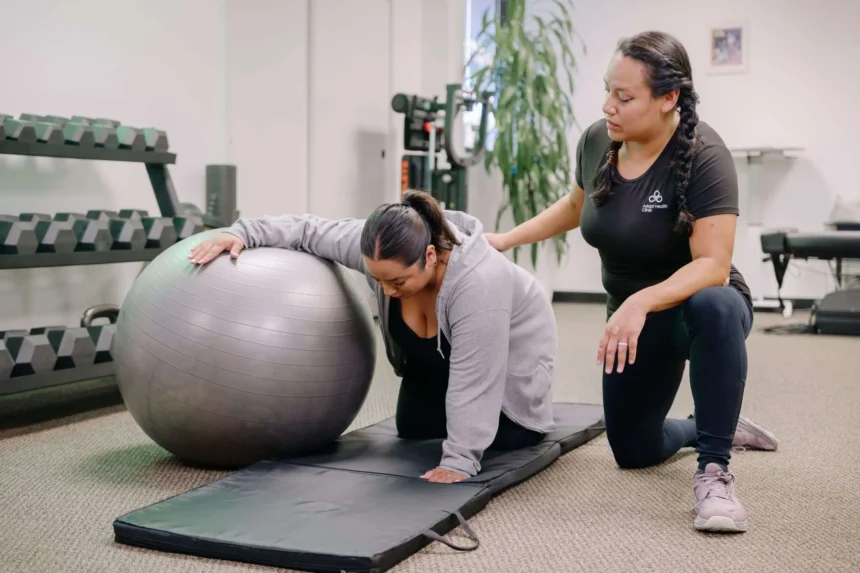
As the joint heals, these exercises restore strength and mobility. Patients may wear a protective sling for several weeks, and they attend physical therapy sessions regularly. The recovery process takes time and dedication from the individual. Physical therapists guide the patient’s rehabilitation. They monitor the functional improvements, and they adjust the routine accordingly.
Replacing Shoulder Joints
When arthritis ruins the natural cartilage, total shoulder joint replacement, or arthroplasty, can bring significant relief. Candidates for this procedure typically have conditions that cause severe and consistent pain. The discomfort limits daily activities, and it disrupts normal sleep patterns. Shoulder arthroplasty replaces damaged joint components with artificial implants. Providers remove the degraded bone, and they install metal or plastic substitutes.
Because the new joint needs time to stabilize, patients avoid heavy lifting immediately after the procedure. The medical team monitors the healing progress, and they prescribe specific rehabilitation exercises and pain management medications. Recovery from total shoulder replacement takes several months.
Below are some components typically included in the recovery process:
- Physical therapy exercises: gradually improve the range of motion and strengthen the shoulder muscles.
- Pain management medications: alleviate discomfort during recovery.
- Shoulder sling: immobilizes the joint and supports proper healing during the initial weeks.
- Cold therapy: uses ice packs to reduce swelling and manage pain.
- Activity restrictions: typically include avoiding overhead movements, heavy lifting, and certain arm positions in order to protect the surgical site.
- Regular follow-up appointments: monitor progress and enable the orthopedics provider to adjust the recovery plan as needed.
Adhering to this recovery protocol helps patients achieve positive outcomes and can help restore functionality in the shoulder joint.
Learn More About Orthopedics Treatments
Severe joint discomfort can disrupt life and routine activities. Orthopedic surgeons offer care through advanced surgical techniques and recovery methods that strengthen the body, and they can help patients avoid future injury. If you want to learn more about orthopedic treatment for shoulder pain, consult an orthopedist near you.