



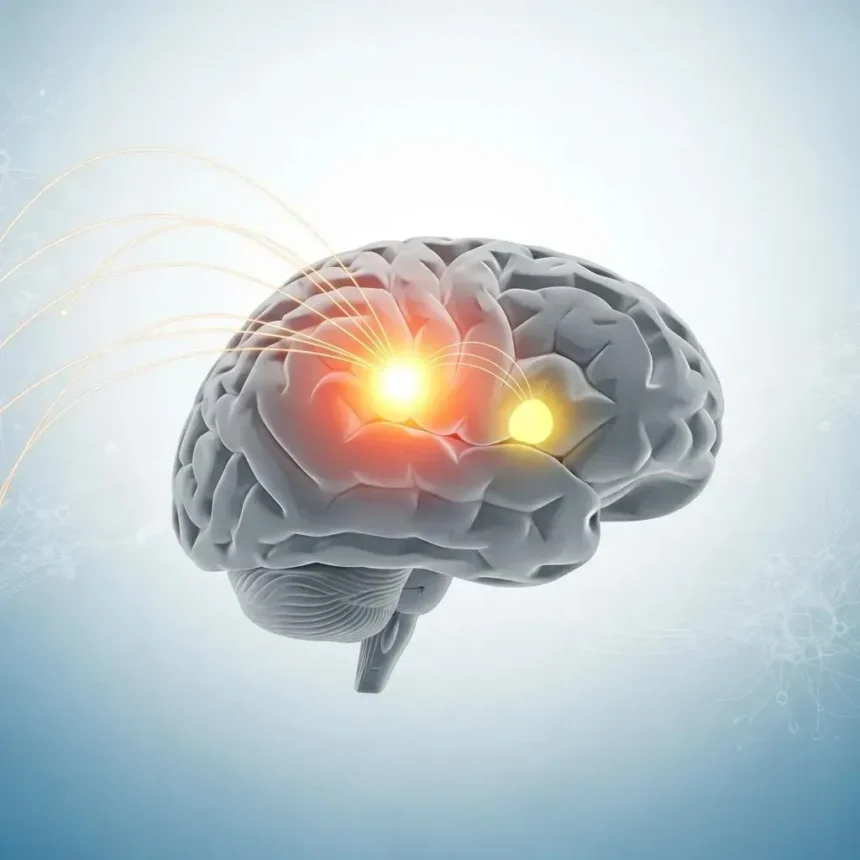
Mental health care traditionally focuses on treating active symptoms, but practitioners also utilize preventative measures to manage long-term outcomes. Preventative care aims to stabilize brain function to reduce the likelihood of future clinical relapses. One specific treatment is transcranial magnetic stimulation (TMS), which supports proactive mental health management. Here is more information on TMS in preventative mental health care:
What Is Preventative Mental Health?
Preventative mental health focuses on maintaining psychological stability through targeted interventions. Clinicians apply these methods before severe symptoms return. This approach may reduce the frequency of acute psychiatric episodes, and it helps patients maintain their daily routines. TMS is an advanced treatment option that offers a targeted approach for symptom prevention.
What Is TMS?
Transcranial magnetic stimulation is a non-invasive medical procedure. It uses magnetic fields to stimulate nerve cells in the brain. Doctors prescribe this therapy for specific psychiatric conditions, and patients may receive treatment in an outpatient clinic. A typical course involves treatment five days a week over six weeks, with providers adjusting the protocol based on individual clinical needs.
The equipment consists of a specialized magnetic coil connected to a computerized control system. Technicians calibrate the machine for each patient during the initial visit. The technology safely targets specific cortical networks without affecting surrounding brain tissue. Medical facilities may use FDA-cleared devices for this procedure, and they adhere to clinical guidelines for administration.
How Does It Work?
During a session, a technician places an electromagnetic coil against the patient’s scalp. The device delivers controlled magnetic pulses through the skull. These pulses induce small electrical currents in targeted brain regions, thereby modifying neural pathways over time. Repeated stimulation alters brain chemistry, and these changes help regulate mood networks.
The exact mechanism relates to neuroplasticity. The brain adapts to the consistent magnetic pulses over the treatment course. Practitioners target the prefrontal cortex, which controls emotional regulation. Patients may undergo periodic maintenance sessions, and these follow-up visits sustain the neural adaptations.
What Does It Treat?
Psychiatrists primarily utilize TMS for major depressive disorder. Patients with treatment-resistant depression may experience significant reductions in their depressive symptoms, improving their quality of life. It serves as an alternative to systemic medications, and it provides an option when traditional antidepressants fail. Proper patient selection maximizes therapeutic outcomes and aligns with preventive psychiatric goals.
What Are the Benefits?
The primary advantage of TMS is its non-systemic nature. The treatment does not circulate in the bloodstream, which helps minimize common side effects such as weight gain or gastrointestinal distress. An outpatient format accommodates normal daily schedules, and patients can drive themselves home immediately after their appointments.
The procedure is non-invasive. It does not require surgical intervention or extended recovery periods. Patients experience minimal downtime, enabling them to resume work or personal activities after the session. The therapy requires no systemic medications because it relies solely on localized magnetic pulses to achieve clinical results.
Seek Preventative Mental Health Care
Preventative mental health care offers options for long-term stability, and proactive treatments help manage psychiatric conditions effectively. Transcranial magnetic stimulation serves as a clinical tool in this process, and it addresses underlying neural connectivity issues. Maintaining a consistent care plan helps prevent symptom relapse, which supports overall psychological resilience. Contact a local psychiatric clinic today.