


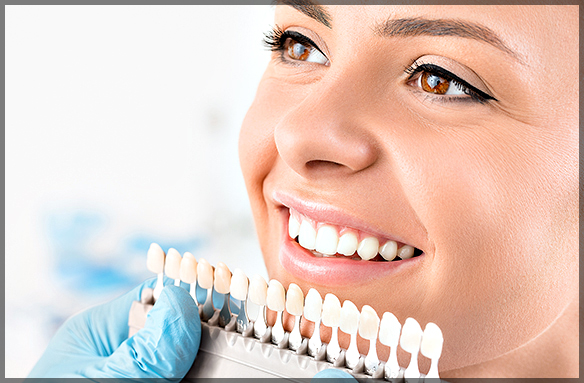
Some people seek a bright smile for events. Teeth whitening can improve your appearance, and there are options available. Since dentists offer treatments that focus on safety, discuss your options. Your teeth may benefit from professional care.
What Causes Tooth Stains?
Tooth discoloration happens for several distinct and common reasons. Genetics influences enamel color, and natural aging causes enamel to wear down. Some people have darker or thinner enamel, so their teeth stain more easily. Concerns include:
- Pigmented foods and drinks, such as coffee, tea, red wine, berries, and colored sauces, contribute to surface stains.
- Plaque buildup accumulates food particles and bacteria, which harden into tartar and affect tooth appearance.
- Tobacco use, including smoking and chewing, introduces staining agents and leads to noticeable tooth discoloration.
- Dental trauma and fluorosis also impact tooth color, while enamel wear exposes the yellow-toned dentin layer.
Some causes of staining extend beyond the surface, and they require input from a dental professional. Scheduling dental checkups and talking with your dentist helps you identify and understand these causes. Other factors include dental trauma and medical conditions. Certain diseases affect the color of your teeth, and antibiotics contribute to internal staining. Fluorosis leads to white spots on the enamel, which need specific dental care.
What are the Options?
Professional dentists offer two main teeth whitening services, both designed to suit different needs and schedules. In-office whitening is available if you want a brighter smile for an upcoming event or special occasion. The process begins when your dentist protects your gums to minimize sensitivity, then carefully applies the whitening agent to your teeth. The gel penetrates your enamel, and it breaks up both surface and internal stains. One session typically takes about an hour. You might see changes after a single visit, with some leaving the office with teeth that appear lighter. Take-home whitening kits offer both privacy and flexibility, letting you plan treatment around your routine. This option offers gradual results.
How Do You Maintain It?
After your treatment, focus on protecting your brightened smile. Practicing good oral hygiene helps minimize plaque buildup, and it keeps enamel clear. Brushing twice daily with whitening-friendly toothpaste and flossing each day supports clean teeth. Using an electric toothbrush helps remove debris. To reduce stains, limit dark beverages. Maintenance takes ongoing attention, but simple habits make a difference.
Regular dental care helps reduce plaque, and it supports stain prevention. Drink water throughout the day to wash away food particles and acids; staying hydrated supports saliva production. Since cleanings are scheduled every six months, address stubborn surface stains and remove tartar. Professional cleanings also offer tailored advice. Protect enamel and maintain whitening results. Use a soft-bristled brush and non-abrasive toothpaste.
Schedule Your Teeth Whitening
In-office treatments offer fast results, and take-home trays provide convenience. Teeth whitening prepares your smile for any special occasion. Because your teeth are unique, a dentist will recommend specific solutions. Professional care aids results. Contact a local dental clinic and schedule an appointment today. Take the first step now. When you meet the dentist, they will plan your treatment.