



An OBGYN provides medical care and guidance throughout pregnancy, from early prenatal visits to delivery and postpartum support. Regular appointments can help monitor the health of both mother and baby, track fetal development, and identify potential concerns early. Here is a closer look at how an OBGYN helps during pregnancy:
Monitoring Pregnancy Progress
An OBGYN monitors fetal growth with routine clinical evaluations throughout the pregnancy. Medical staff record maternal blood pressure, and ultrasound technicians measure the physical dimensions of the fetus. Although initial appointments occur monthly, the frequency increases during the third trimester. This rigorous observation schedule helps the clinic document normal developmental milestones.
Diagnostic testing is a fundamental component of standard prenatal care. An OBGYN orders routine blood panels, and the laboratory analyzes the samples for potential abnormalities. When patients complete their glucose tolerance tests, the clinic evaluates the results for gestational diabetes. Blood work also identifies conditions such as anemia and specific genetic markers. Medical professionals use these data points to develop a precise strategy.
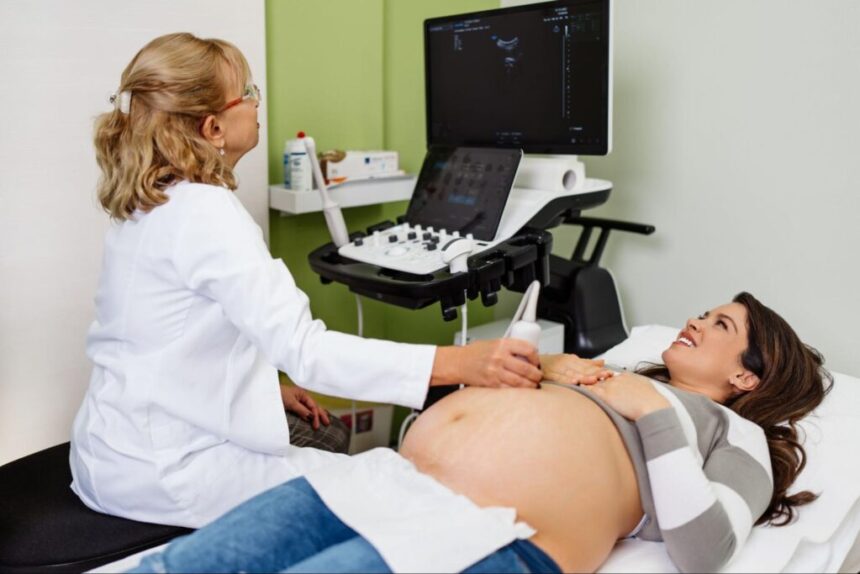
Ultrasound technology provides clear images of the developing baby in the womb. Technicians scan the abdomen, and the doctor interprets the visual data. If the scan reveals anatomical concerns, the medical team plans further diagnostic assessments.
Supporting Maternal Health
An OBGYN addresses physical changes that affect expectant mothers during gestation. Doctors provide medical guidance, and they prescribe prenatal vitamins to maintain proper nutritional levels. An OBGYN generally oversees the following areas of maternal health:
- Nutritional counseling: Doctors recommend specific dietary adjustments to support proper fetal development.
- Weight management: Clinics track maternal weight gain to make sure it remains within a healthy range.
- Symptom relief: Physicians offer safe pharmacological treatments for morning sickness and joint pain.
- Mental health screening: Medical staff assess patients for early signs of prenatal depression.
Proper maternal care prevents physiological complications during gestation. Patients report their symptoms to the clinic, and the OBGYN updates the medical record.
Guiding Labor Preparation
An OBGYN explains various delivery options, and the staff provides educational materials about the labor process. As the due date approaches, the OBGYN reviews the final medical strategy. This preparation phase establishes clear expectations for the hospital admission.
Pain management is a key topic during third-trimester prenatal discussions. An anesthesiologist can administer an epidural, or the mother can choose natural pain relief methods. Whenever a patient asks about medication, the physician explains the associated pharmacological risks. The clinic details the specific procedures for requesting pain relief during contractions. Patients finalize their analgesic preferences before the onset of labor.
Promoting Safe Delivery Outcomes
The delivery room requires a coordinated medical team to execute a safe birth. An OBGYN monitors the fetal heart rate, and nurses track the progress of cervical dilation. Here are some of the ways the care team protects the patient during labor:
- Continuous monitoring: Equipment tracks the baby’s vital signs throughout the active labor phase.
- Surgical readiness: The team prepares an operating room for a potential emergency cesarean section.
- Complication management: Doctors quickly address acute medical issues such as postpartum hemorrhage.
- Immediate postnatal care: Pediatricians examine the newborn immediately after the delivery.
Clinical oversight protects the health of both the mother and the newborn. The medical team stabilizes the patient, and nurses transfer the family to a postpartum recovery room. After delivery, the OBGYN schedules follow-up appointments.
Schedule Your OBGYN Appointment Today
Supporting maternal and newborn health requires comprehensive care throughout pregnancy, delivery, and the postpartum period. Each step, from regular prenatal check-ups to immediate postnatal care and ongoing follow-up evaluations, is key to monitoring and supporting physical well-being. Proper clinical oversight minimizes risks during childbirth and also facilitates a smooth recovery process for the mother. Contact a qualified OBGYN in your area to schedule your appointment today.