



Dental care is a key component of general health, and finding the right provider requires careful evaluation. A dentist assesses teeth and gums, diagnoses conditions, and prescribes treatments to maintain oral health. Identifying a clinic that accommodates diverse requirements streamlines the scheduling process for households. Here is more information on finding the right dental professional for your family’s needs:
What Is a Dentist?
A dentist is a medical professional specializing in oral health. These practitioners focus on the prevention and treatment of oral diseases, with clinical expertise spanning the teeth, gums, and surrounding structures. Dentists utilize advanced diagnostic tools to monitor the ongoing condition of the mouth, and the resulting diagnostic data guides the formulation of targeted treatment plans.
How Can You Select One?
Selecting a suitable dentist involves evaluating several objective criteria, and patients should first verify the provider’s credentials. Proximity to home or work is another factor to think about when evaluating potential clinics. Reviewing office hours also helps patients schedule visits without disrupting their daily routines.
Prospective patients can request consultations before committing to a new provider. This initial meeting allows individuals to assess the clinic’s environment, and it provides an opportunity to review the available equipment. Asking about the dentist’s experience with specific procedures clarifies their clinical capabilities. Patients can then make an informed decision based on these observations.
What Services Do They Offer?
Dental professionals offer a wide array of preventive and restorative services. Routine cleanings remove plaque buildup, and these appointments often include a comprehensive oral examination. Diagnostic services typically involve taking X-rays to detect hidden decay or structural anomalies. Dental sealants may also be available to protect vulnerable teeth from future decay.
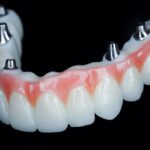
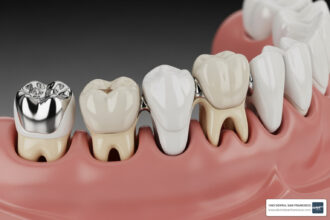
Restorative procedures aim to repair damaged teeth or replace missing ones. Standard treatments include fillings for cavities and root canals to treat infected dental pulp. Dentists fit crowns over weakened teeth to restore their structural integrity, and patients with missing teeth may receive bridges or implants to reconstruct their functional bite.
What Conditions Do They Treat?
Dentists diagnose and manage numerous pathological conditions affecting the oral cavity. Tooth decay is a common issue, but periodontal disease also affects many adult patients. Periodontal disease involves the inflammation of the gums and the degradation of the supporting bone structure. Left untreated, this condition leads to tissue damage and tooth loss.
How Is Dental Care Beneficial?
Regular dental care helps prevent minor issues from developing into severe pathological conditions. Routine cleanings prevent the progression of gingivitis. Professional examinations can catch early signs of oral cancer. Detecting decay in its early stages may minimize the need for invasive restorative procedures, and consistent monitoring helps maintain the structural integrity of the jawbone and the surrounding tissues.
Good oral health may correlate with positive systemic health outcomes. Maintaining a healthy mouth reduces the body’s overall bacterial load, and preventive dental care supports the digestive system’s functional capacity. Consulting a dental professional helps determine what can be done in each situation, supporting informed decision-making.
Find a Dentist Today
Securing a qualified dental professional requires a methodical approach to evaluating credentials and available services. Patients benefit from assessing their specific clinical needs, and they should review local providers to find a suitable match. Contact a local dental clinic to schedule an initial consultation and comprehensive examination. Establishing a partnership with a dentist facilitates long-term oral health management for the entire family.