


Tooth loss affects many adults, and dental prosthetics offer a reliable treatment option. Dentures serve as artificial replacements for missing teeth and restore basic oral functions. Patients benefit from seeking these devices to regain their ability to chew food effectively. Understanding the step-by-step process prepares patients for their appointments by clarifying what to expect.
What Are Dentures?
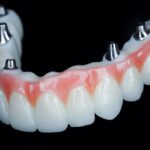
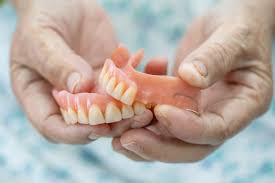
Dentures are removable oral appliances designed to replace missing teeth and surrounding tissue. They consist of an acrylic resin base, which supports artificial teeth made of porcelain or plastic. These devices fit snugly over the gums, and they recreate the natural structure of the human mouth. Dentists customize these prosthetics for each patient, so the final product aligns with individual anatomical features.
What Are the Different Types?
Dental professionals typically prescribe two main categories of these prosthetics. Complete dentures replace a full set of teeth in either the upper or lower jaw, and partial dentures fill the gaps left by a few missing teeth. Partial dentures attach to remaining natural teeth, and complete dentures rest directly on the gums. Dentists evaluate the condition of a patient’s mouth when recommending the most appropriate type.
What Issues Do They Address?
Missing teeth create functional challenges, as these gaps often complicate daily activities. Patients with tooth loss may struggle with speech articulation and chewing solid foods. The absence of teeth also causes the remaining teeth to shift, altering bite alignment. Dentures provide a structural solution to these mechanical problems, and they prevent further deterioration of the oral cavity.
Tooth loss impacts the structural integrity of the jaw over time. The alveolar bone relies on stimulation from tooth roots, and the bone begins to resorb when teeth are missing. Dentures distribute biting forces across the gums, and this pressure provides some level of mechanical stimulation to the underlying tissues. Patients mitigate severe bone loss by seeking timely prosthodontic intervention, thereby protecting the overall architecture of their jawline.
What Are the Benefits?
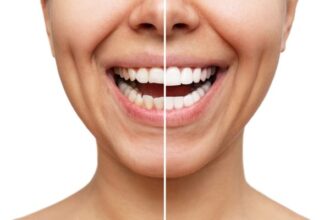
Patients gain several functional benefits from using these oral appliances. Dentures restore the ability to properly process food, which aids overall digestion. These devices also support the facial muscles, and this structural reinforcement prevents the face from sagging. Modern dental materials can create a natural appearance, allowing prosthetics to blend with the patient’s physical features.
What Does a Fitting Involve?
The fabrication and fitting of these devices require multiple clinical visits over several weeks. Dentists take precise impressions of the jaw, and they measure the specific dimensions of the mouth. Dental laboratories use these preliminary molds to create wax models, which patients may try to check the fit. The dentist assesses bite alignment during this try-in phase and makes any necessary adjustments before casting the final prosthetic.
Once the final appliance is ready, the patient returns for the official fitting. The dentist places the prosthetic in the mouth and evaluates its resting position on the gums. Minor modifications help resolve any immediate discomfort, and the dentist can provide specific instructions for daily care. Patients require an adjustment period to adapt to the new appliance, and follow-up appointments allow the dentist to monitor the healing tissues.
Consult a Dentist Today
Receiving artificial teeth requires careful clinical planning and execution. Dentures offer a proven method for addressing tooth loss by restoring the mouth’s basic mechanical functions. Patients undergo a structured evaluation to receive the appropriate appliance, and regular maintenance extends the device’s lifespan. Schedule a consultation with a dental professional to begin treatment.