


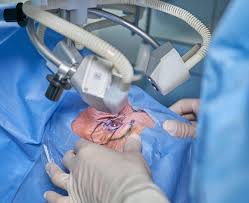
Laser eye surgery helps improve visual clarity, and patients may choose it when glasses or contact lenses no longer meet their vision needs. Since each procedure involves different risks and recovery patterns, understanding safety and effectiveness helps patients make informed decisions. Here are a few points on the safety and effectiveness of laser eye surgery:
LASIK Safety and Effectiveness
Safety contributes to the effectiveness of laser eye surgery because screening helps doctors determine whether the procedure is suitable for the patient. They start by performing an eye examination, which involves checking the stability of your prescription, the corneal thickness, and the pupil size. Preoperative tests help the eye surgeon assess the patient’s overall health before proceeding. The tests also help locate characteristics that affect wound healing or vision after the laser procedure.
Most patients experience temporary side effects after surgery, including dry eyes, glare, or halos around lights; these effects improve within a few weeks. LASIK also tends to heal faster than some other vision correction procedures. Since part of the outer corneal surface remains intact, recovery is smoother and more comfortable, with a lower risk of infection.
Ophthalmologists also review corneal shape, map the corneal surface, and check for existing eye conditions before moving forward with surgery. Doctors may recommend alternative treatment for patients with thin corneas, severe nearsightedness, or dry eyes. These findings help doctors match patients with the most appropriate procedure and reduce the risk of avoidable complications during recovery.
PRK Safety and Effectiveness
Photorefractive keratectomy, or PRK, is another eye surgery used to treat refractive errors. Doctors recommend PRK for patients with thin corneas or for those who may not be the best candidates for LASIK. PRK does not require a corneal flap, and that lowers the risk of flap-related complications. Patients still need an eye evaluation before PRK. The surgeon reviews eye health, corneal condition, and other factors that affect safety or healing. Doctors also prescribe medication and eye drops to support recovery and reduce the risk of infection.
PRK provides long-term vision correction, and patients rely less on glasses or contact lenses after recovery. While some improvement is noticeable early, full results can take several weeks or a few months to settle. Follow-up visits give the eye doctor a chance to assess healing and address any concerns after surgery. These appointments may also help catch problems early and support a smoother recovery. Follow-up appointments also give the doctor a chance to track visual progress and confirm that healing is progressing as expected.
Explore Laser Eye Surgery Today
Laser eye surgery can be both safe and effective, but the right procedure depends on your eye health and vision needs. A consultation with an eye doctor helps determine whether LASIK, PRK, or another option is appropriate for you. You undergo an assessment that shows your options. Optometrists help determine whether you qualify by evaluating your medical history and adhering to the required eligibility and safety standards. Schedule a comprehensive eye exam today to determine if you qualify for laser refractive surgery.