


Vaginal revitalization addresses changes in vaginal tissue and pelvic floor function. Energy-based devices are used in clinical settings, and providers evaluate patients before treatment is considered. Hormonal shifts can affect vaginal tissue, and some patients seek care for symptoms related to these changes. Tissue thinning and dryness are commonly discussed in clinical evaluation, and treatment decisions are based on patient assessment and medical history. Specialist may answer questions and help with treatments.
Vaginal Revitalization Treatment Methods Overview
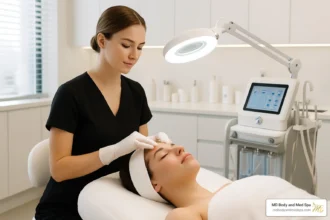
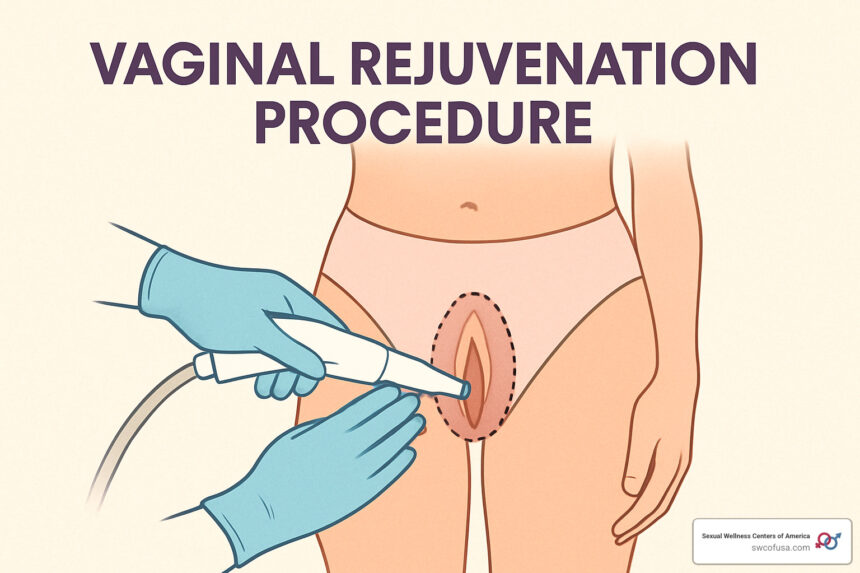
Energy-based vaginal revitalization uses laser or radiofrequency devices. These devices deliver controlled heat to vaginal tissue, and trained providers perform the procedure in clinical environments. A wand may be inserted into the vaginal canal or applied externally, and treatment sessions are completed in-office.
Some patients receive more than one session, and providers determine treatment frequency. Follow-up visits may be scheduled, and clinicians evaluate patient response after each session. Outcomes vary across individuals, and patients are informed that results are not consistent for all cases. Devices used in these procedures operate under controlled clinical protocols, and providers follow established safety guidelines during application.
Symptoms and Clinical Context
Vaginal tissue changes may be associated with dryness, irritation, or ongoing discomfort. Some individuals report pain during intercourse, and reduced estrogen levels during menopause can contribute to decreased natural lubrication. Because these hormonal changes affect tissue moisture and elasticity over time, clinicians evaluate symptoms during medical assessments, which helps determine possible contributing factors such as menopause, childbirth, or other pelvic changes.
Urinary symptoms can occur in some patients, and these may include leakage during physical strain such as coughing, sneezing, or exercise. Pelvic floor changes may contribute to these symptoms, and clinicians evaluate whether symptoms are associated with hormonal changes, tissue alterations, or structural support issues. Because multiple factors may overlap in presentation, assessment includes review of medical history and symptom patterns, which helps guide treatment decisions based on clinical findings rather than symptom description alone.
Risks and Limitations
Energy-based vaginal revitalization carries documented risks. Reported side effects include pain, burns, scarring, and changes in sensation, and some patients may require follow-up care. Because thermal energy is applied to tissue, injury can occur even in clinical settings. Evidence supporting many marketed uses remains limited, and outcomes are not consistent across patients. Regulatory agencies have reviewed these devices, and concerns exist regarding effectiveness for certain indications. Providers discuss risks before treatment, and patients review this information before making decisions about care.
Find a Clinic
Vaginal revitalization refers to energy-based procedures used in clinical practice. These treatments apply controlled energy to vaginal tissue, and providers assess patients before recommending intervention. Clinical evaluation determines whether treatment is appropriate, and decisions are based on symptoms and medical history. Laser and radiofrequency devices are used in these procedures, and they deliver heat to tissue in controlled applications. Outcomes vary depending on patient response, and treatment effects are not guaranteed. Evidence continues to be evaluated for long-term outcomes. Within vaginal revitalization care, providers focus on evaluation, safety, and informed decision-making. Find a clinic in your area to learn more.