


Dental implants are a durable option for replacing missing teeth, and patients may need them after losing teeth due to decay or injury. A missing tooth can change the way a person chews and speaks. Because they mimic natural teeth so well, implants restore the aesthetics and functional aspects of a natural smile. Here is more information about dental implants and their benefits:
Understanding Dental Implants
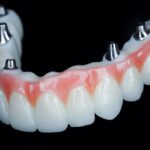
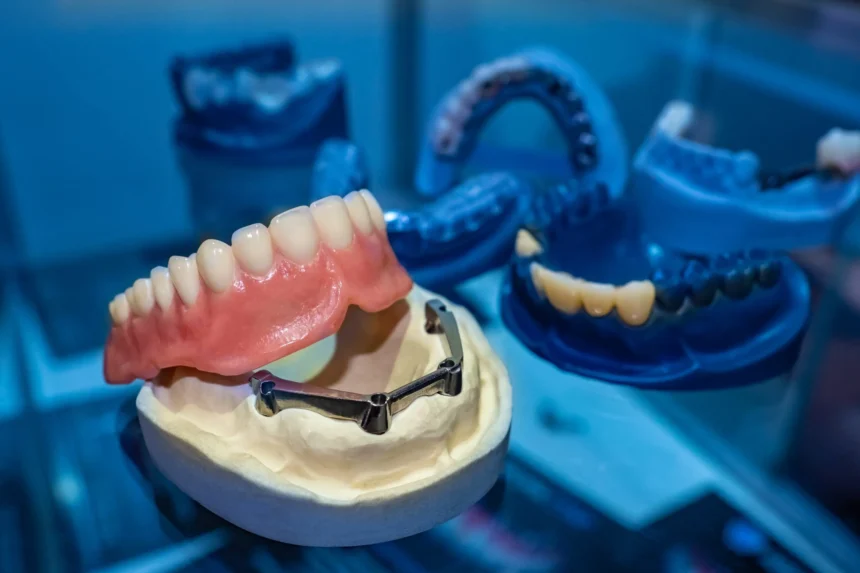
Dental implants are artificial tooth roots made of titanium, and they provide a permanent base for fixed replacement teeth. Surgeons place these posts into the jawbone beneath the gums. Because titanium fuses with living bone, the implant becomes as stable as a natural tooth. Patients regain a more effective and natural bite pattern, and they avoid the slipping and maintenance associated with removable dentures.
Getting Implants Placed
The process begins with a comprehensive dental evaluation, and the dentist takes X-rays to assess bone health. Patients undergo a surgical procedure to place the metal post into the jaw. The bone needs time to heal and fuse with the post. This process, which is called osseointegration, takes three to nine months.
After the bone heals completely, the dentist attaches an abutment to hold the custom crown. They place a custom crown onto the abutment. The dentist matches the crown color to the surrounding teeth, and the new tooth blends in seamlessly. Although the procedure takes months of time to complete, the outcome provides a very stable and permanent solution.
Exploring Implant Benefits
Implants offer numerous benefits, both aesthetic and functional. Patients experience a natural look, and because the posts are secure, they stay firmly in place while you eat or speak. Here are some other benefits that dental implants can provide:
- They prevent bone loss by stimulating the jaw.
- They protect the surrounding teeth from shifting.
- They restore normal chewing function completely.
- They act and look like natural teeth.
With proper oral hygiene and regular dental checkups, implants can last for a lifetime.
Maintaining Your Implants
Caring for an implant involves basic oral hygiene, and patients should brush their teeth twice a day. Flossing around the crown prevents plaque buildup. Regular checkups enable your dental provider to check the implant’s stability and look for early signs that indicate gum disease. The dentist monitors the surrounding tissues during these routine examinations.
In general, patients do not have dietary restrictions with implants because they are as stable as natural teeth. Most food items are permitted for consumption, but patients should avoid chewing on hard items like ice or pen caps. If you grind your teeth at night, wearing a nightguard can protect your implants. A dentist can take a mold of your teeth to create a custom-fitting guard.
While dental implants have a high success rate, certain symptoms may indicate a problem. Contact your dentist if you experience any of the following issues:
- Persistent pain or discomfort: Ongoing pain around the implant site could signify an underlying issue like infection or instability.
- Gum inflammation: Swelling, redness, or bleeding of the gums near the implant require professional evaluation.
- Loose implant: If a dental implant feels loose or shifts when eating or speaking, this could indicate a loss of bone support.
Prompt attention to these symptoms helps resolve any potential issues with your implants.
Restore Your Missing Teeth Today
Dental implants are a natural-looking and durable choice for tooth replacement, and they deliver exceptional stability. Because the posts act as artificial roots, they preserve jawbone health. Implants require the same care and maintenance as natural teeth. If you want to learn more about the benefits of dental implants, consult a dental professional near you.