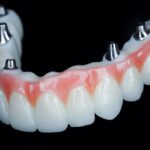




A dental crown is a custom-made cap that covers a tooth to restore its shape, size, and appearance. Dentists often place crowns on teeth that are cracked or weakened, and a crown can also protect a tooth after certain dental procedures. While crowns are durable, they still need regular care to stay in good condition. Here’s more information on dental crowns and how to effectively care for them:
Practice Daily Hygiene
Daily oral hygiene helps keep a dental crown and your surrounding teeth and gum tissue clean. A crown covers the visible part of a tooth, but the edge where the crown meets the tooth can still collect plaque. If plaque builds up in that area, it may affect the tooth structure beneath the crown and irritate the gums. Brush at least twice a day with a soft-bristled toothbrush and fluoride toothpaste, and floss once a day to clean between your teeth.
Pay close attention to your gumline around the crowned tooth. Brush with gentle pressure, but be thorough enough to remove debris from all sides. Crowns often last between five and 15 years with good hygiene and routine care. The exact lifespan of your crown depends on the material, the fit, and your daily habits. Hard foods and skipped dental visits may weaken a dental restoration. Good home care supports both the crown and the natural tooth underneath it, making consistency invaluable.
Avoid Tooth Damage
Certain habits place extra force on a dental crown and may cause damage over time, such as biting your nails, grinding your teeth, or chewing on ice. Using your teeth to open packaging can also chip or loosen a crown. Some people grind their teeth during sleep, and others clench them during the day when stressed or distracted. Repeated pressure can wear down the crown surface or affect how it fits against the opposing teeth. Tell a dentist if you notice symptoms like:
- Jaw Soreness
- Flattened Teeth
- Frequent Tension
Limit habits that create force or impact, because even durable crowns can crack, chip, or loosen. Avoid using your teeth as tools, and use safer alternatives for opening containers or cutting tape. If you regularly grind your teeth, your dentist may recommend a night guard to reduce pressure on crowns. A common mistake is assuming a crown cannot be damaged because it is artificial. Crowns are strong, but they are not indestructible. Being careful with hard objects and high-pressure habits can help reduce damage or other problems.
Visit Your Dentist Regularly
Regular dental check-ups help monitor the condition of a crown and the tooth beneath it, and routine visits are useful even when a crown feels normal. During an exam, a dentist can look for wear, check the crown’s fit, and inspect the gum tissue around it. Professional cleanings also remove buildup that home brushing may miss.
A crown often appears fine on the surface, but a dentist can identify early signs of trouble before they become larger issues. This may include changes in the bite, damage at the edge of the crown, or irritation in the surrounding tissue. If a crown feels loose or uncomfortable, schedule a visit promptly.
Early dental attention can simplify care and help preserve your tooth structure beneath a crown. Regular follow-up supports long-term function, and it also gives you a chance to ask questions about hygiene or dietary choices. Even if you are not experiencing discomfort, if something about a dental restoration feels different or odd, don’t hesitate to contact a dentist.
Learn More About Dental Crowns
Caring for a dental crown involves daily cleaning, avoiding damaging habits, and keeping up with regular dental visits. These steps help protect your crown and your surrounding oral structures. If you want more guidance on crown care, speak with a local dentist today. A dentist can explain what to expect from your specific case and how to maintain your restoration over time.