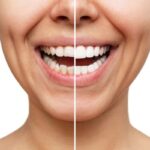




Orthodontic care focuses on correcting misaligned teeth and jaw irregularities. These structural corrections extend far beyond visible changes to the teeth. Properly positioned teeth facilitate better oral hygiene and can directly reduce the risk of plaque accumulation. Addressing these physical irregularities supports long-term oral stability and contributes significantly to general well-being. By analyzing the structure of the face and jaw, an orthodontist creates a customized plan to guide the teeth into optimal positions, whether it involves traditional braces or clear aligners.
Braces
Braces utilize brackets and archwires, which shift teeth into their correct anatomical locations. An orthodontist attaches a single bracket to each tooth. A continuous wire threads through these brackets, held securely in place by small bands. This system applies consistent, gentle pressure over time, guiding the teeth into their target positions.
Patients often present with crowded teeth, visible spacing, or bite irregularities such as overbites and underbites. Using these fixed tools, the practitioner gradually reshapes the dental arch. Some variations exist within this category to accommodate different preferences. Clear ceramic brackets blend in with the natural tooth enamel, offering a less noticeable appearance. Lingual versions attach to the back of the teeth and provide an entirely hidden approach.
Clear Aligners
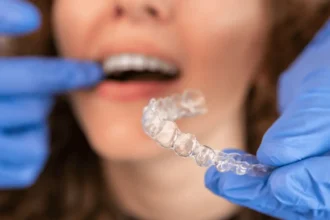
Some patients use clear, removable trays instead of fixed metal components. These aligners consist of transparent, thermodynamic plastic that is designed to fit snugly over the teeth. The process begins with a precise digital impression of the patient’s mouth. The orthodontist maps out the exact movements required for each tooth. A specialized laboratory then fabricates a custom series of trays based on this detailed digital plan.
As the patient progresses from one set of trays to the next, the teeth incrementally shift. Individuals must wear the trays for the majority of the day to achieve the desired results. The trays are removable, so patients can take them out during meals and routine oral cleanings.
This specific feature allows individuals to continue their standard brushing and flossing habits. The clear plastic design offers a highly discreet approach while actively correcting the bite structure. This method treats many of the same malocclusions as traditional fixed appliances, offering a flexible path to a healthier mouth.
Retainers
After the active phase of moving teeth concludes, the maintenance phase begins. Retainers serve the specific purpose of holding teeth in their newly established locations. The surrounding bone and tissues need time to adapt and stabilize completely around the new root positions. A patient might wear a removable version full-time immediately following treatment, eventually transitioning to nighttime use only. Keeping a removable appliance clean is a daily requirement. Regular brushing of the plastic or wire components with toothpaste prevents odor and stops bacteria from accumulating on the surface. Storing the device safely in a designated protective case protects it from physical damage and environmental contamination.
Meet With an Orthodontist
Scheduling an evaluation allows a specialist to assess your individual dental structures. Identifying structural irregularities early can simplify future interventions and guide incoming teeth into better positions. Adults may also pursue these treatments to correct unresolved malocclusions or changes in their bite over time. Consulting a specialist provides clarity on which treatment methods best suit specific anatomical needs, initiating the process of building a stable, functional, and healthy mouth for years to come.