


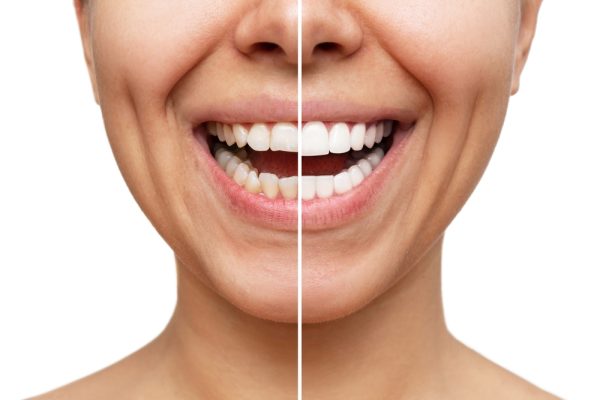
Teeth whitening uses hydrogen peroxide to minimize tooth stains. Cosmetic dentistry reduces discoloration, but surface stains may reappear. Daily routines and ongoing professional input support the ongoing appearance of your teeth after whitening.
Dentist Appointments and Progress
Cosmetic dentistry helps monitor your progress. Dentists examine your oral health, and hygienists remove buildup you cannot manage at home. During visits, your provider highlights areas in your routine that need more attention and demonstrates brushing or flossing techniques. Your dentist checks for enamel changes or sensitivity from whitening. They suggest ways to increase comfort and maintain enamel. If you grind your teeth, your dentist may suggest a mouth guard. Ask about maintenance products or in-office options if you see new stains after whitening.
These visits help you adjust your care routines, and they improve your oral health between appointments. Routine visits offer preventive care. A dentist examines your enamel, and they recommend products for your needs. If you have sensitivity, your dentist discusses options and updates your maintenance plan. Exams reveal areas that need attention. Dental professionals check your gum health, and they look for cavities or wear. After your cleaning, the hygienist suggests ways to improve your routine and demonstrates helpful techniques.
Toothbrush Routines and Schedules
Surface stains may appear over time. Use gentle brushing motions to protect the enamel, and use a soft brush. Consistent daily attention makes it easier to support the look of your whitening treatment over time.
- Select a whitening toothpaste to address new surface stains.
- Try electric toothbrushes with timers to reach all areas for the right length of time.
- Avoid scrubbing; use small, circular motions to prevent harm to enamel and gum tissue.
- Use toothpaste with fluoride to help reinforce enamel.
- Limit dark-colored drinks, such as coffee, tea, or red wine, to reduce stain exposure.
- If you consume these drinks, rinse your mouth with water afterward or use a straw.
- When possible, brush after meals using enamel-safe toothpaste to address surface stains.
Enamel requires gentle care each day. Timing matters in dental hygiene. Wait to brush after meals, especially after eating acidic foods. Acids temporarily soften enamel, so brushing right away is not advised.
Floss Practices and Techniques
Floss helps remove debris and plaque in tight spaces, since they should not accumulate. A toothbrush does not reach between teeth. Daily flossing helps keep teeth free from leftover food and build-up in areas your toothbrush might miss, like between teeth and below the gum line. Choose dental floss that moves smoothly, and it should not shred. If traditional floss is hard to use, dental picks, pre-threaded flossers, or water flossers are good alternatives. Make flossing part of your routine at the same time daily, such as after brushing at night. Use gentle motions to avoid irritating your gums, since aggressive flossing can cause irritation. Rinse your mouth with water or alcohol-free mouthwash after flossing, so you can remove loosened particles. Flossing and regular brushing create a cleaner environment, and they can reduce where plaque and stains accumulate.
Book Cosmetic Dentistry Today
You should brush daily, and floss regularly. Consistent habits yield lasting outcomes. After you complete your routines, professionals provide cosmetic dentistry. Regular exams aid oral health.