


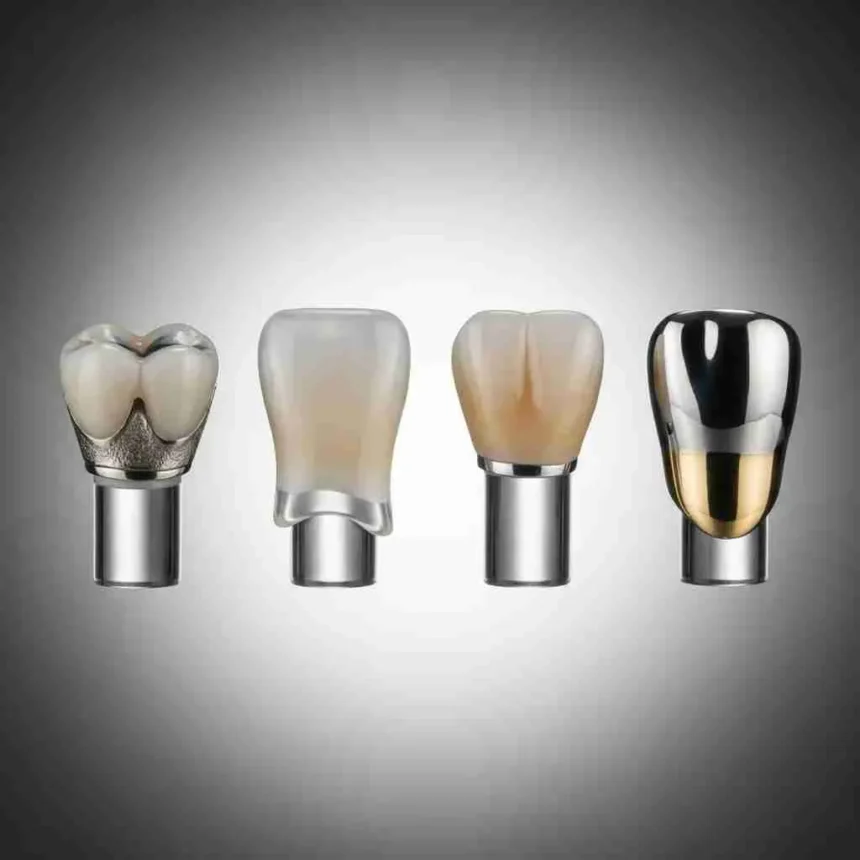
Dental crowns are custom caps placed over damaged or worn teeth to restore their shape. A crown is often recommended so that its remaining structure can be preserved and its function restored. Dentists use various materials to manufacture these coverings, and the selection depends on the tooth’s location and bite load. Here is some information about the various materials used in dental crowns:
Ceramic Crowns
Many dental offices provide ceramic crowns for front teeth restorations because they blend with the natural color of your surrounding teeth. They are also designed to mimic the light-reflecting qualities of real enamel. A dental technician crafts the crown from a physical or digital impression of your mouth, and this supports an accurate fit. The fabrication process usually takes two to three weeks to complete in a dental lab. Some benefits of ceramic crowns include:
- Insulates the tooth: Ceramic resists temperature changes well, so you should rarely feel sensitivity when drinking hot or cold beverages.
- Resists cracking: The material is fracture-resistant, allowing it to withstand the moderate biting force associated with normal chewing.
- Provides a smooth surface: The smooth surface also helps prevent plaque buildup along the gumline.
Porcelain Crowns
Porcelain-fused-to-metal is another standard option for crowns. Dentists place porcelain crowns on both front and back teeth due to their structural strength. A dental lab fabricates a metal shell that fits over the prepared tooth, and then they bake a thick layer of porcelain onto the metal base. While the permanent porcelain restoration cures, patients receive a temporary cap.
These dental crowns combine the properties of both materials. The metal substructure provides high durability, withstanding the heavy grinding forces generated by chewing. The porcelain exterior offers a natural tooth appearance; lab techs customize its shade to match your adjacent teeth. A porcelain surface also resists coffee and tea stains better than natural enamel.
Dental Cement
Placing the crown requires a bonding agent called dental cement, and dentists mix it immediately before attaching the permanent restoration. Glass ionomer and resin-modified glass ionomer are common cements used in dental offices. A dentist will clean and dry the tooth before applying the adhesive layer. Then they place the crown over the tooth, wipe away excess cement, and wait for the mixture to set. A blue light helps accelerate the hardening process of certain resin-based cements. The cement seals the microscopic gap between the restoration and the natural tooth, preventing bacteria from entering underneath. Dentists select the type of cement based on the crown material and the restoration’s location. Some cements release fluoride slowly over time to protect the underlying tooth structure from decay.
Learn More About Dental Crowns
Understanding the different materials used in dental restorations helps you make informed choices about your oral care. Each crown material offers specific functional properties suited to different areas of your mouth. The manufacturing process and bonding requirements also vary with the selected material. Your dentist will evaluate your bite and recommend the right option for your restoration. Contact a dental office today to schedule a consultation.