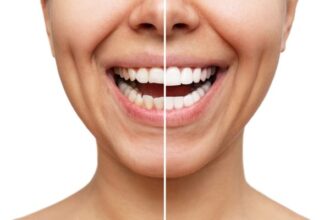



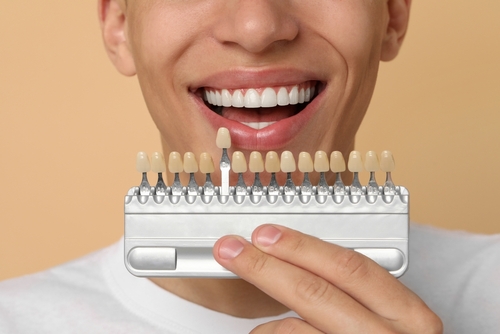
A cosmetic dentist changes the appearance of teeth and gums. Dental professionals provide treatments that adjust dental alignment and enhance dental structure. Bleaching agents modify tooth color, and composite resins repair minor chips. These methods focus on improving both the shape and symmetry of teeth. Dental care in this field addresses discoloration and defects, and it may provide both surface and structural solutions for patients seeking changes in their smile.
Modifying Dental Aesthetics
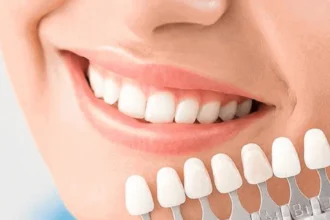
Dental veneers cover flaws in tooth structure. A cosmetic dentist bonds thin porcelain shells to tooth surfaces, and these shells hide deep stains or uneven shapes. Teeth often darken with age, so whitening systems break down stain particles, and chemical changes brighten the enamel for a more uniform look. Bonding agents restore damaged enamel. Practitioners apply tooth-colored resin to affected areas, and they use a curing light to harden the material.
After the resin sets, dentists polish the surface, and the restoration blends with nearby teeth to maintain a natural appearance and function. Gingival contouring reshapes the gumline. Clinicians remove extra gum tissue at the base of teeth, and they adjust proportions for balance. When gum levels appear uneven, lasers or surgical tools remove the tissue, and precise methods seal blood vessels to promote healing.
Restoring Tooth Function
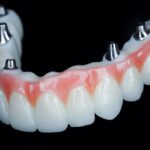
Dental implants replace missing tooth roots. Surgeons place titanium posts into the jawbone, and they attach artificial crowns to these stable supports. People who lose teeth can experience rapid bone loss, so implants offer regular stimulation to help keep the jawbone strong. Dental crowns protect teeth that are weakened by decay or damage. These caps cover the entire visible part of a tooth, and they help restore the ability to chew food safely.
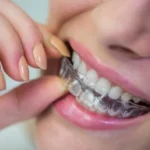
Uneven bites can lead to jaw discomfort. Clear aligners move the dental arches into better alignment, and this can relieve extra pressure on the jaw joints during daily use. Inlays restore damage inside teeth. Dental technicians create these pieces outside the mouth, and the dentist fits and cements them into prepared spaces. Traditional fillings may weaken large teeth. Indirect restorations, like inlays, spread chewing forces more evenly, so they lower the chance of cracks or damage to the remaining tooth structure.
Preventing Future Damage
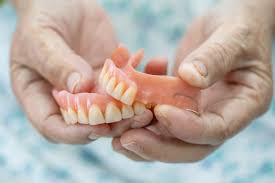
Structural repairs help protect teeth that have become vulnerable. Dentists apply dental bonding to seal exposed roots, and this method reduces temperature sensitivity for many patients. If tooth decay breaks through the enamel, bacteria can reach the pulp chamber, and infection must be removed through dental treatment. Bridges help maintain even bite force. When teeth go missing, empty spaces appear in the mouth, and neighboring teeth may shift into these spaces over time. As teeth move and gaps develop, plaque can build up in tight spots, and regular cleaning becomes harder to do properly.
Enamel shaping improves the contour of tooth edges. Providers remove small amounts of the outer tooth layer, and they smooth out sharp or rough points. Overlapping teeth make friction more likely, so adjusting these surfaces limits wear and preserves enamel. Regular dental visits support these repairs, and a daily cleaning routine helps keep existing and restored teeth clean.
Find a Cosmetic Dentist
Cosmetic dentistry leads to both physical and functional changes in teeth. Dentists provide treatment plans that match individual oral health goals. While many procedures address cosmetic concerns, these treatments also help support dental stability and daily function. Ongoing home care and routine checkups help maintain improvements after cosmetic interventions. Find a cosmetic dentist in your area.