


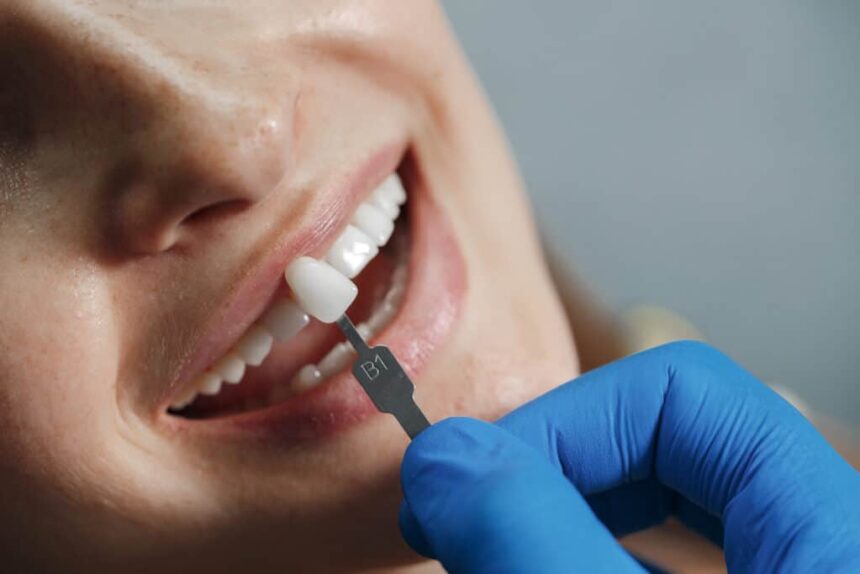
Veneers cover the front surface of teeth, and they improve shape, color, and balance; they do not replace natural teeth. Since the tooth and veneer meet at a thin margin, regular dental check-ups help your dentist track changes before larger problems develop. Here is more information on regular visits to check your veneers:
Monitoring for Decay
Your veneers stay on the front of the teeth, but decay may still form near the edges. A dentist checks the margins closely, and X-rays may be taken when needed. If plaque collects where the veneer meets the enamel, small cavities may start out of sight.
During a check-up, your dentist looks for staining, rough spots, and gum changes around each veneer. These signs may seem minor, but they can point to deeper issues. As decay can spread under or around a veneer, early detection keeps treatment more direct.
You can help between visits with a short daily routine, so watch for:
- Lines near veneer edges
- Food trapping between teeth
- Sensitivity to cold
Cleaning Veneers
Veneers need careful cleaning, and the goal is to protect both the porcelain and the natural tooth. Use a soft toothbrush. Since hard scrubbing may wear the surface near the margins, gentle pressure works better.
Floss reaches areas a brush misses, and it helps remove plaque near the gumline. Some abrasive toothpastes scratch polished surfaces. If your dentist recommends a non-abrasive product, use that product as directed.
At cleanings, the hygienist removes buildup with veneer-safe tools, and those tools reduce surface damage. Polishing may also be done with selected materials. Since rough deposits hold more bacteria, professional cleaning supports daily home care.
Maintaining Strength
Veneers are thin, but they are made to handle normal biting forces. They still need support for healthy teeth and gums. If the tooth under a veneer weakens, the restoration may lose stability over time.
Small habits affect long-term strength, and your dentist checks for wear patterns during follow-up visits. Clenching may place repeated pressure on the front teeth. As that pressure builds during sleep, some patients are given a night guard.
Protecting From Damage
Damage does not always happen from one large event, and repeated stress often causes the problem. Bite checks help find uneven contact. If one veneer hits first during chewing, the surface may chip or loosen.
You can lower the risk of damage with a few simple steps, and these steps fit into daily life:
- Avoid biting ice
- Do not open packages with your teeth
- Wear a mouthguard for sports
It’s also wise to maintain proper oral hygiene by brushing and flossing regularly to keep veneers in good condition. While veneers are durable, consistent care and mindful habits play a significant role in preserving their longevity and preventing unnecessary damage over time.
Schedule a Visit for Veneers
After veneers are placed, routine check-ups help track the condition of the veneers, teeth, and gums. Problems typically start small, but they become harder to manage when visits are delayed. If you have veneers or plan to get them, schedule a dental visit and ask for a full exam and cleaning.