



Dermatology focuses on diagnosing and treating conditions that affect the skin, hair, and nails. From persistent rashes to abnormal growths, dermatologists evaluate symptoms to create targeted management plans. Treatment may involve topical medications or minor procedures, and follow-up visits allow doctors to monitor the skin’s response. Here is some information about diagnosing and managing chronic skin conditions:
Acne and Cysts
Acne and cysts are common skin concerns that range from mild to severe, and they often require a tailored treatment approach. Acne develops when pores become plugged with oil and dead skin cells. As a result, whiteheads, blackheads, or pimples often appear on the face, chest, back, and shoulders. Deep blockages may lead to painful cysts beneath the surface. Hormonal fluctuations trigger increased sebum production, aggravating underlying blockages. Dermatologists diagnose the type and severity of these breakouts through detailed visual exams.
Managing acne and cysts involves clearing pores and reducing bacterial presence on the skin. Doctors frequently prescribe topical treatments like retinoids or benzoyl peroxide to accelerate cell turnover. For severe cystic nodules, oral medications provide a systemic approach to calming inflamed tissue. Daily gentle cleansing helps keep pores clear, and avoid picking at lesions to minimize scarring.
Moles and Skin Tags
Moles and skin tags are common growths that appear on various parts of the body. Adults usually have between 10 and 40 moles on their bodies. These pigmented spots form when pigment cells grow in dense clusters instead of spreading evenly throughout the surrounding skin.
Skin tags differ in their composition and origin. They are small, soft flaps of tissue connected by a tiny stalk, and they usually appear where skin rubs together, like the neck, eyelids, or armpits. Although they vary in size and shape, skin tags are benign growths that rarely cause medical problems.
Doctors visually evaluate these growths during standard examinations. To check for abnormal changes in moles, practitioners rely on the ABCDE method:
- Asymmetry
- Border
- Color
- Diameter
- Evolving traits
If a mole looks suspicious, a dermatologist will perform a biopsy to analyze the tissue in a lab. Routine skin tags require no intervention unless they cause physical irritation. Patients may request removal, and clinics freeze the growths with cryotherapy or perform surgical excisions.
Eczema and Rosacea
Eczema and rosacea are inflammatory skin conditions that cause red, irritated skin. They share some similarities, but they are distinct disorders with different triggers and treatments. Both conditions benefit from a consistent skincare routine and guidance from a dermatology clinic.
Eczema, also called atopic dermatitis, appears as dry, itchy patches that become scaly or weep fluid. It is common in children but can affect people of all ages. To manage eczema, it is helpful to identify and avoid your triggers, such as allergens, stress, or certain fabrics. Your dermatologist will help you create a skincare routine, and they may prescribe topical medications to reduce inflammation and itching.
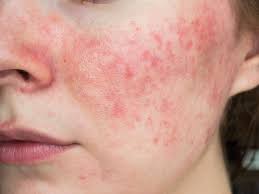
Rosacea primarily affects the face, causing persistent redness and visible blood vessels. Common triggers include sunlight, spicy foods, alcohol, and stress. Treatment focuses on avoiding these triggers and using gentle skincare. Your doctor might prescribe topical or oral medications to reduce redness and inflammation, and laser therapy can be effective for visible blood vessels.
Visit a Dermatology Clinic
Managing chronic skin conditions requires a professional medical evaluation and ongoing care. Over-the-counter products are often inadequate for persistent or severe symptoms. A medical provider develops a tailored treatment plan based on your diagnosis and skin type, and routine checkups track skin changes over time. Schedule an appointment at a dermatology clinic today to have your skin evaluated by a specialist.