



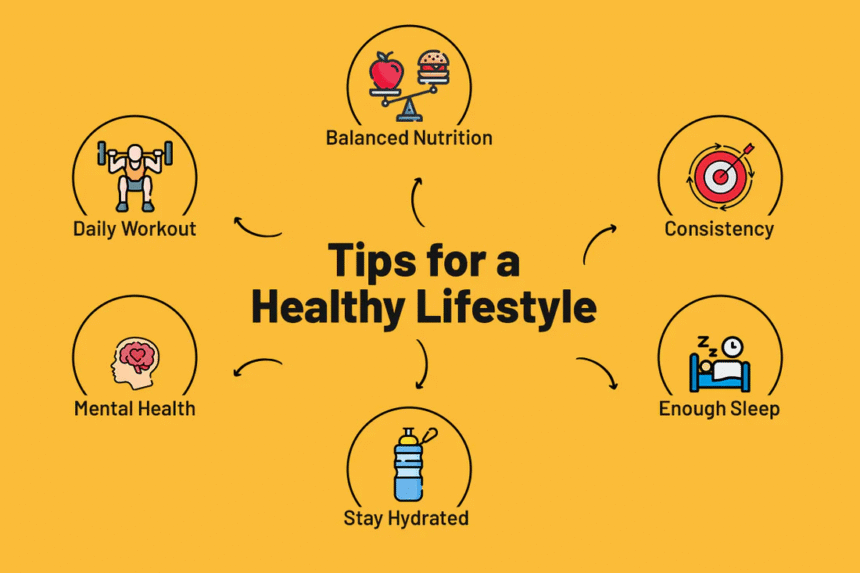
Healthy eating does not mean following expensive diets or strict food rules. It is about making small, smart food choices every day that help your body stay strong and active. When healthy eating becomes part of your daily routine, you feel more energetic, focused, and balanced in life.
Start With a Balanced Plate
A balanced plate is the foundation of healthy eating. Each meal should include vegetables, fruits, protein, and healthy carbohydrates. Vegetables and fruits provide essential vitamins and minerals, protein supports muscle health, and whole grains give long-lasting energy. Eating a balanced meal helps control hunger and prevents overeating.
Reduce Junk and Processed Foods
Fast food and processed snacks may taste good, but they are often high in sugar, salt, and unhealthy fats. Eating them too often can lead to weight gain and low energy. You do not need to avoid them completely—just enjoy them occasionally and focus more on fresh, natural foods.
Drink Enough Water Daily
Water plays a key role in healthy eating. Drinking enough water helps digestion, improves skin health, and keeps your body hydrated. Many people confuse thirst with hunger and eat unnecessary snacks. Aim to drink at least 6–8 glasses of water each day.
Eat Slowly and Mindfully
Eating too fast can cause digestive problems and overeating. When you eat slowly and chew your food properly, your body has time to recognize when you are full. Mindful eating also helps you enjoy your meals more and make better food choices.
Choose Home-Cooked Meals More Often
Home-cooked food is usually healthier because you know exactly what goes into your meals. Restaurant and street foods often contain excess oil, salt, and sugar. Simple home-cooked meals are better for long-term health and help maintain a balanced diet.
Include Fruits and Vegetables Every Day
Fruits and vegetables are rich in fiber, vitamins, and antioxidants. They support digestion, boost immunity, and protect your body from illness. Try to include at least two fruits and a variety of vegetables in your daily meals, especially seasonal options.
Practice Portion Control
Even healthy foods can cause weight gain if eaten in large portions. Learning portion control helps you maintain a healthy weight. Using smaller plates and paying attention to hunger signals are simple ways to avoid overeating.
Avoid Skipping Meals
Skipping meals may slow down your metabolism and increase cravings later in the day. Instead of skipping meals, eat small, regular meals to keep your energy levels stable and prevent overeating.
Choose Healthy Snacks
When you feel hungry between meals, choose healthy snacks such as nuts, yogurt, fruits, or boiled eggs. These snacks provide nutrients and keep you full without adding empty calories.
Be Consistent
Healthy eating is not about being perfect—it is about being consistent. Small healthy choices made every day lead to long-term benefits. Over time, these habits become a natural part of your lifestyle.
Conclusion
Simple healthy eating habits can make a big difference in daily life. By choosing balanced meals, drinking enough water, and eating mindfully, you support both your physical and mental health. Healthy eating is not about restriction, but about making better choices that help you feel your best every day.