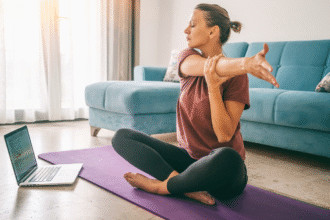




Staying active daily is more than just a fitness goal—it’s a lifestyle that benefits your body, mind, and overall well-being. In today’s fast-paced world, many people spend hours sitting at desks, commuting, or lounging at home. This sedentary lifestyle can affect health, energy levels, and even mood. The good news is that incorporating movement into your daily routine doesn’t have to be complicated. By taking small, consistent steps, you can stay active every day and enjoy the long-term benefits of a healthier life.
Why Staying Active Daily Matters
Daily activity is essential for physical and mental health. When you move your body regularly, it helps maintain a healthy weight, strengthens muscles and bones, improves cardiovascular health, and boosts energy levels. But staying active isn’t just about fitness—it also supports mental clarity, reduces stress, and improves mood. Studies show that even short bouts of movement throughout the day can help reduce the risk of chronic illnesses like diabetes, heart disease, and obesity.
Staying active also promotes better sleep and increases productivity. When your body is used to regular movement, it adapts more efficiently to stress and daily challenges. Whether you’re young or old, active or just starting your fitness journey, making movement a daily habit is key to living a longer, healthier, and more vibrant life.
Simple Ways to Stay Active Daily
You don’t need a gym membership or expensive equipment to stay active. Small, consistent actions throughout the day can make a big difference. Here are some practical ways to incorporate movement into your routine:
1. Start Your Day with Light Exercise
Mornings are the perfect time to energize your body. You can start with simple stretches, yoga, or a short walk. Even 10–15 minutes of movement in the morning can improve circulation, wake up your muscles, and prepare your mind for the day ahead.
2. Take the Stairs
Instead of using elevators or escalators, take the stairs whenever possible. Climbing stairs is a great way to strengthen your legs, burn calories, and improve cardiovascular health. Over time, these small choices add up to significant benefits.
3. Walk Whenever You Can
Walking is one of the easiest ways to stay active. You can take short walks during work breaks, after meals, or while running errands. Even walking for 15–20 minutes a few times a day can boost energy, support digestion, and improve mood.
4. Break Up Long Periods of Sitting
If you work at a desk, make a habit of standing up and moving around every hour. Simple actions like stretching, walking to a coworker instead of emailing, or doing a few squats can reduce stiffness, improve posture, and keep your metabolism active.
5. Include Fun Activities
Physical activity doesn’t have to feel like a chore. Dancing, playing sports, gardening, or even playing with your pets can help you stay active while having fun. When movement is enjoyable, it becomes easier to maintain consistently.
6. Use Technology to Your Advantage
Fitness apps, smartwatches, and step counters can motivate you to move more. Set small daily goals, track your steps, or use reminders to get up and stretch. These tools make it easier to stay accountable and measure progress.
7. Exercise at Home
You don’t need a gym to stay active. Simple exercises like push-ups, squats, lunges, or jumping jacks can be done in small spaces and don’t require equipment. You can also follow online workout videos for guided sessions.
8. Make Activity a Social Habit
Staying active with friends or family makes it more enjoyable. Go for a walk, play a game, or join a local fitness class together. Social interaction combined with physical activity can increase motivation and make exercise feel less like a task.
9. Mix Different Types of Movement
Variety keeps your body engaged and reduces boredom. Try combining cardio, strength training, flexibility exercises, and balance activities throughout the week. This approach strengthens different muscle groups and improves overall fitness.
10. Be Mindful of Daily Opportunities
Look for ways to stay active in everyday tasks. Stand while brushing your teeth, do calf raises while cooking, or take a short walk after lunch. Incorporating movement into daily life makes it easier to reach your activity goals without scheduling extra time.
Overcoming Common Challenges
Many people struggle to stay active due to lack of time, motivation, or energy. Here are a few tips to overcome these challenges:
- Time: Start with small, manageable sessions, even 5–10 minutes, and gradually increase duration.
- Motivation: Set realistic goals and reward yourself for progress. Track your achievements to stay motivated.
- Energy: Listen to your body. Light exercise can boost energy, so try movement even when you feel tired.
- Consistency: Focus on forming habits rather than perfection. Daily consistency matters more than intensity.
Benefits of Staying Active Daily
Staying active every day has countless benefits for your physical, mental, and emotional health:
- Improved Heart Health: Regular movement strengthens the heart and improves blood circulation.
- Stronger Muscles and Bones: Weight-bearing activities like walking, dancing, or bodyweight exercises improve strength and prevent osteoporosis.
- Better Mood and Reduced Stress: Physical activity releases endorphins, reducing stress and anxiety.
- Increased Energy: Daily movement boosts metabolism and keeps energy levels high.
- Enhanced Cognitive Function: Exercise improves memory, focus, and mental clarity.
- Longer Lifespan: Active individuals tend to live longer and experience fewer health problems.
Simple Daily Routine Example
Here’s a sample routine to help you stay active daily:
- Morning: 10–15 minutes of stretching or yoga.
- Mid-morning: Short walk or climb stairs at work.
- Lunch: 15-minute brisk walk after eating.
- Afternoon: Stand or stretch every hour at your desk.
- Evening: 20–30 minutes of a fun activity like dancing, cycling, or a workout video.
Even small adjustments like these can have a lasting impact over time.
FAQs About Staying Active Daily
1. How much daily activity is enough?
Experts recommend at least 150 minutes of moderate-intensity activity per week, which can be broken down into 20–30 minutes per day. Even short bouts of movement throughout the day count.
2. Can I stay active without going to the gym?
Absolutely! Walking, stretching, yoga, home exercises, and active hobbies are all effective ways to stay active without a gym.
3. Is it okay to start small if I’m not fit?
Yes. Start with short sessions and gradually increase intensity. Consistency is more important than duration or intensity at the beginning.
4. How can I make activity a daily habit?
Incorporate movement into your routine, set reminders, make it fun, and track your progress. Social support and rewards also help maintain habits.
5. Does daily activity help mental health?
Yes. Physical activity reduces stress, anxiety, and depression, and improves focus, sleep, and overall mood.
Conclusion
Staying active daily is a key to living a healthier and happier life. It doesn’t require intense workouts or long hours at the gym—small, consistent actions can make a big difference. Whether it’s walking, stretching, dancing, or playing sports, movement should be a natural part of your everyday life. By making physical activity enjoyable and routine, you not only improve your physical health but also boost your energy, mood, and mental well-being. Start small, stay consistent, and watch the benefits transform your life.