



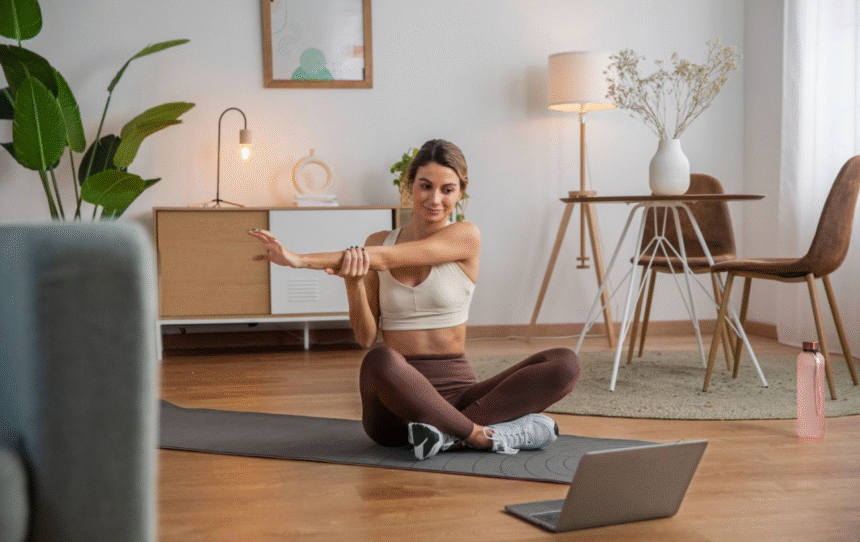
In today’s fast-paced world, finding time to go to the gym or attend fitness classes can be challenging. Fortunately, health and fitness programs at home have become increasingly popular. These programs allow individuals to stay active, eat healthily, and improve overall well-being without leaving the comfort of their homes. Whether you’re a beginner or someone looking for advanced workouts, home-based programs can provide flexible, effective, and convenient solutions.
Why Choose Health and Fitness Programs at Home?
Home fitness programs offer several advantages over traditional gym-based routines. First, they save time. You don’t need to commute, wait for equipment, or follow someone else’s schedule. Second, they are cost-effective. Gym memberships and personal trainers can be expensive, but many home programs are free or affordable. Third, home programs provide privacy. Some people feel self-conscious in public gyms, so exercising at home allows them to build confidence without judgment.
Another key benefit is flexibility. You can design your program to suit your personal goals, whether it’s losing weight, building muscle, improving cardiovascular health, or reducing stress. With the help of online videos, apps, and virtual trainers, anyone can create a customized plan that works for their lifestyle.
Types of Home Fitness Programs
Home fitness programs are not one-size-fits-all. Here are some popular types:
1. Bodyweight Exercises
Bodyweight exercises are a cornerstone of home fitness. They require no equipment and are highly effective. Exercises like push-ups, squats, lunges, planks, and burpees target multiple muscle groups. Bodyweight workouts improve strength, flexibility, and endurance while reducing the risk of injury.
2. Yoga and Pilates
Yoga and Pilates are excellent for flexibility, posture, and mental health. Yoga focuses on breathing, balance, and meditation, while Pilates strengthens core muscles and improves stability. Both practices can be done with minimal space and equipment, making them ideal for home settings.
3. Cardio Workouts
Cardiovascular workouts are essential for heart health and calorie burning. At home, you can perform cardio exercises like jumping jacks, high knees, mountain climbers, running in place, or using a skipping rope. Many online programs also offer dance workouts, Zumba, and aerobic routines, which make cardio fun and engaging.
4. Strength Training
Strength training at home is possible with minimal equipment. Resistance bands, dumbbells, kettlebells, or even household items like water bottles can be used to build muscle. Strength training boosts metabolism, improves bone density, and enhances overall physical performance.
5. Online and App-Based Programs
Technology has revolutionized home fitness. Numerous apps, websites, and YouTube channels provide guided workouts, nutrition plans, and progress tracking. Some programs offer live virtual classes or one-on-one coaching with certified trainers, giving users a gym-like experience at home.
Creating Your Personalized Home Fitness Program
Creating an effective home fitness program requires planning. Here’s a simple approach:
- Set Clear Goals: Decide whether you want to lose weight, gain muscle, increase endurance, or improve flexibility. Clear goals help guide your exercise choices.
- Choose the Right Exercises: Based on your goals, select a mix of cardio, strength, and flexibility exercises. Beginners can start with shorter sessions, while advanced individuals can increase intensity and duration.
- Schedule Your Workouts: Consistency is key. Dedicate specific times each day for exercise. Even 30 minutes a day, 5 times a week, can yield significant results.
- Track Your Progress: Keep a journal or use an app to record workouts, sets, reps, and achievements. Tracking helps maintain motivation and identify areas for improvement.
- Nutrition and Hydration: Fitness is not just about exercise. Eat a balanced diet rich in proteins, healthy fats, whole grains, and vegetables. Stay hydrated to support energy levels and recovery.
- Rest and Recovery: Don’t underestimate rest days. Muscles grow and repair during rest. Include at least one or two recovery days per week to prevent burnout or injury.
Tips for Staying Motivated at Home
Staying motivated can be challenging when you exercise alone. Here are a few tips:
- Set Small Goals: Achievable milestones keep you motivated and provide a sense of accomplishment.
- Create a Dedicated Space: Having a designated workout area helps you mentally prepare for exercise.
- Follow Online Challenges: Many apps and fitness communities host challenges that encourage participation and consistency.
- Mix It Up: Avoid boredom by alternating between different exercises and routines.
- Reward Yourself: Celebrate milestones with small rewards, like a new workout outfit or a relaxing spa day at home.
Health Benefits of Home Fitness Programs
Engaging in regular home-based fitness programs has numerous benefits:
- Improved Physical Health: Regular exercise strengthens muscles, bones, and joints while promoting heart and lung health.
- Weight Management: Combining strength training and cardio helps burn calories and maintain a healthy weight.
- Mental Health Benefits: Exercise reduces stress, anxiety, and depression by releasing endorphins, the body’s natural mood boosters.
- Better Sleep: Regular physical activity improves sleep quality and helps regulate circadian rhythms.
- Enhanced Energy Levels: Consistent exercise increases stamina and reduces feelings of fatigue.
Common Mistakes to Avoid
Even at home, mistakes can hinder progress. Avoid these common pitfalls:
- Skipping warm-ups and cool-downs, which can increase injury risk.
- Overtraining without proper rest, leading to burnout or fatigue.
- Ignoring proper form, which reduces effectiveness and increases injury risk.
- Neglecting nutrition and hydration.
- Sticking to the same routine for too long without progression or variation.
FAQs About Health and Fitness Programs at Home
1. Can I really get fit without going to the gym?
Yes! Many home-based programs offer excellent results. Bodyweight exercises, cardio routines, and online guided workouts can all help improve fitness levels.
2. How much time should I spend on home workouts?
For general fitness, 30–60 minutes a day, 4–5 times a week, is sufficient. Beginners can start with 15–20 minutes and gradually increase.
3. Do I need special equipment at home?
No, basic exercises like squats, push-ups, and planks require no equipment. For advanced workouts, resistance bands or dumbbells can enhance results but are optional.
4. How do I stay motivated at home?
Set clear goals, track progress, create a workout schedule, and try online challenges or virtual classes to stay engaged.
5. Are home fitness programs safe for everyone?
Most home workouts are safe for healthy individuals. However, those with medical conditions or injuries should consult a doctor or certified trainer before starting.
Conclusion
Health and fitness programs at home are an accessible, flexible, and effective way to improve physical and mental well-being. With a combination of bodyweight exercises, cardio, strength training, and online resources, anyone can create a personalized fitness routine. By staying consistent, tracking progress, eating well, and taking care of your body, you can achieve your health goals without ever stepping foot in a gym. Home fitness programs prove that staying healthy is not about where you exercise—it’s about how committed you are to your wellness journey.