



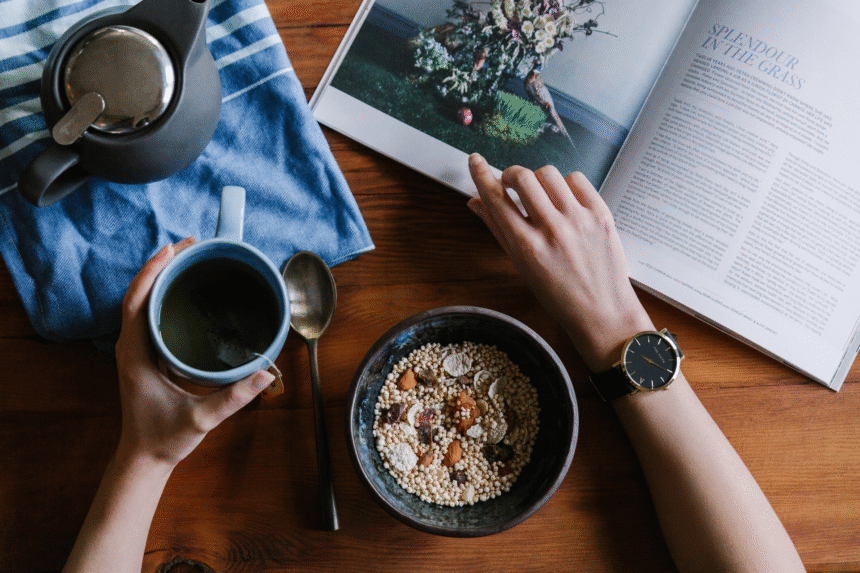
Living a good life doesn’t always mean making huge changes or following strict routines. Often, small, simple adjustments to your daily habits can make a big difference in your health, happiness, and productivity. A better lifestyle is all about balance—taking care of your body, mind, and social connections while still enjoying life. Here are some practical daily life tips you can use to improve your lifestyle step by step.
Start Your Day Mindfully
How you start your morning sets the tone for the rest of the day. Instead of rushing out of bed and diving straight into tasks, try to wake up 15–20 minutes earlier to have a calm and mindful morning. Simple activities like stretching, drinking a glass of water, meditating for a few minutes, or even journaling your thoughts can give you clarity and energy.
Avoid checking your phone immediately. Constant notifications can create stress and reduce focus. Instead, dedicate your first few moments to yourself. This small habit can improve mental health and make you feel more in control throughout the day.
Eat a Balanced Diet
What you eat has a direct effect on your energy levels, mood, and overall health. Eating a balanced diet with plenty of fruits, vegetables, whole grains, lean proteins, and healthy fats will keep your body functioning optimally.
Try to limit processed foods, sugary drinks, and excessive caffeine. Small steps like preparing meals in advance or adding a fruit to your breakfast can make healthy eating easier. Drinking enough water throughout the day is also crucial. Staying hydrated helps with focus, digestion, and energy.
Incorporate Physical Activity
You don’t need to hit the gym every day to stay active. Daily movement, even for just 20–30 minutes, can boost your mood, reduce stress, and improve overall health. Walking, stretching, cycling, yoga, or home workouts are great ways to keep your body moving.
Consistency is more important than intensity. Even small exercises like taking stairs instead of the elevator, walking during phone calls, or stretching while watching TV can make a difference over time.
Prioritize Sleep
Sleep is often overlooked, but it is essential for a better lifestyle. Adults generally need 7–9 hours of sleep per night. Poor sleep can affect mood, productivity, and physical health.
Create a bedtime routine to help your body prepare for rest. Avoid screens for 30–60 minutes before bed, keep your bedroom cool and dark, and try to go to sleep and wake up at the same time each day. Good sleep habits can enhance focus, improve memory, and make you feel more energetic.
Manage Stress Effectively
Stress is a natural part of life, but chronic stress can harm your health. Learning how to manage stress is a key part of living a better lifestyle. Simple techniques like deep breathing, mindfulness meditation, or short walks can help calm your mind.
It’s also important to recognize when you need a break. Don’t hesitate to step back from overwhelming situations, even briefly. Talking to friends, journaling, or practicing gratitude can also reduce stress and improve your mental well-being.
Stay Organized
A cluttered environment often leads to a cluttered mind. Keeping your surroundings tidy and organized can improve focus and productivity. Start by organizing your workspace, home, or digital files.
Make simple to-do lists or use planners to track tasks and goals. Prioritizing tasks can help reduce feelings of being overwhelmed. Small daily organization habits make life smoother and more manageable.
Build Strong Social Connections
Healthy relationships contribute greatly to a better lifestyle. Spending time with family, friends, or your community can improve happiness and reduce stress.
Even small gestures like sending a thoughtful message, calling a loved one, or meeting a friend for coffee can strengthen connections. Remember, it’s quality, not quantity, that matters most in relationships.
Practice Gratitude
Gratitude is a powerful tool for a happier life. Taking a few moments each day to acknowledge what you are thankful for can shift your focus from what’s missing to what’s present.
You can keep a gratitude journal or simply reflect on three things that went well each day. This practice encourages positivity and improves mental well-being over time.
Limit Screen Time
Technology makes life convenient, but excessive screen time can negatively affect sleep, focus, and even mood. Set boundaries for phone, social media, and TV usage.
Try taking short breaks from screens during the day and spend that time reading, walking, or engaging in a hobby. Being mindful about technology use helps you reclaim time and improve overall life satisfaction.
Set Realistic Goals
Setting goals gives direction to your life, but they should be realistic and achievable. Break larger goals into small daily or weekly tasks. This approach keeps you motivated and prevents feelings of failure.
Celebrate small achievements along the way. Every small step counts, and recognizing progress can boost confidence and happiness.
Include Hobbies and Relaxation
Life shouldn’t be all work and no play. Engaging in hobbies and leisure activities is essential for a balanced lifestyle. Whether it’s painting, reading, gardening, or cooking, hobbies reduce stress and improve creativity.
Scheduling regular relaxation time allows your body and mind to recharge. This can improve productivity and overall satisfaction with life.
Listen to Your Body
Your body gives signals when something is off. Don’t ignore fatigue, hunger, or discomfort. Eating when hungry, resting when tired, and seeking medical advice when needed are all part of taking care of yourself.
Being in tune with your body can prevent burnout, improve health, and increase longevity.
Frequently Asked Questions (FAQs)
1. How can I start improving my lifestyle without feeling overwhelmed?
Start with small, manageable changes like drinking more water, going for a short walk, or waking up 15 minutes earlier. Gradually add more habits over time instead of trying to change everything at once.
2. Is exercising daily necessary for a better lifestyle?
Daily exercise is not mandatory. Even 20–30 minutes of movement a few times a week can be highly beneficial. Consistency and regularity are more important than intensity.
3. How can I manage stress effectively in daily life?
Stress management can include deep breathing, mindfulness, journaling, walking, or talking to someone you trust. Finding what works best for you is key.
4. What role does sleep play in a better lifestyle?
Sleep is essential for mental clarity, energy, and overall health. Poor sleep can lead to mood swings, reduced focus, and weaker immunity. Prioritizing sleep helps maintain balance in life.
5. Can small changes in daily habits really make a difference?
Yes! Small, consistent habits accumulate over time and create long-lasting improvements in health, happiness, and productivity. Little changes often lead to big results.
Conclusion
In conclusion, a better lifestyle is not about drastic transformations but rather about consistent, mindful habits. Focusing on your physical health, mental well-being, relationships, and daily routines can create a balanced and fulfilling life. Implementing even a few of these tips will bring noticeable improvements, making everyday living more enjoyable and sustainable.