



A dermatologist is a doctor specializing in conditions that affect the skin, hair, and nails. These professionals undergo rigorous residency training to understand the complex anatomy and pathology of the integumentary system. Their role in skin health goes beyond cosmetic improvements; they manage diseases, address structural abnormalities, and guide patients through difficult diagnoses with professional care. Whether you are experiencing a temporary rash or a chronic disorder, a dermatologist has the expertise necessary to evaluate your symptoms. Here’s information on skin conditions that are treated by a dermatologist:
Acne
Proper diagnosis is the foundation of any effective dermatological care plan. The diagnostic process begins with a thorough visual and physical examination of your acne. A dermatologist can review your medical history, and they often ask about your current skincare routine to identify potential triggers. They differentiate between various skin conditions by examining the specific characteristics of acne lesions, such as their color, shape, distribution, and depth. If a visual examination is insufficient, they may take a small tissue sample, known as a biopsy, for laboratory analysis. This is done to rule out other underlying issues causing acne.
Acne is a common skin concern, ranging from simple blackheads to deeper, painful cystic nodules. Treatment approaches vary depending on the type and severity of your condition. For mild to moderate cases, dermatologists frequently recommend topical treatments containing retinoids or specific acids to clear clogged pores. For more persistent or severe breakouts, oral medications such as antibiotics or hormonal regulators might be discussed as options. The primary focus of these interventions is to reduce inflammation, minimize current breakouts, and help prevent long-term structural changes, such as deep facial scarring.
Skin Tags
Skin tags are small, benign growths that typically protrude from the surface of the skin on a narrow stalk. While skin tags are generally harmless, they can cause physical discomfort when they catch on clothing or jewelry. They often develop in areas where the skin experiences friction, such as the:
- Neck
- Underarms
- Eyelids
- Groin Folds
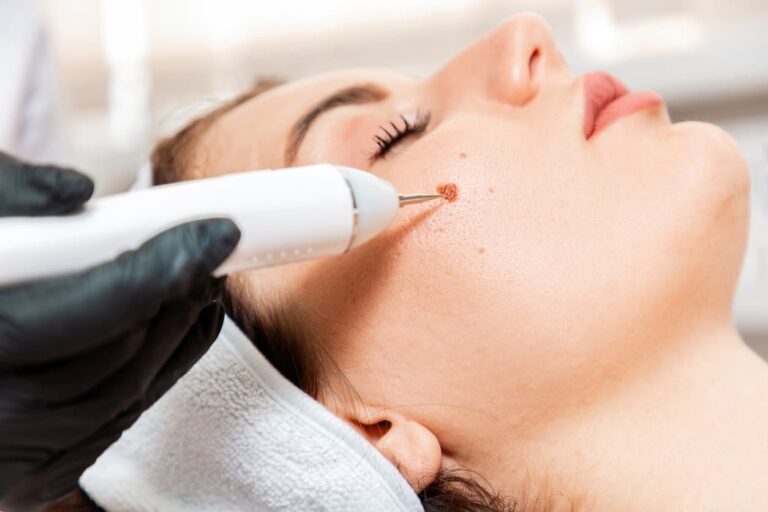
Dermatologists offer safe and sterile methods for removing these growths in a clinical setting, as attempting to remove skin tags at home carries a risk of infection. In the office, a specialist can quickly remove the tag by freezing it with liquid nitrogen, snipping it with surgical scissors, or using a precise electrical current.
Skin Cancer
Suspected skin cancer concerns require prompt evaluation and management by a trained specialist. Dermatologists are uniquely qualified to identify the early warning signs of basal cell carcinoma, squamous cell carcinoma, and melanoma. They can educate you on how to monitor moles and lesions for sudden changes, as noticeable changes are often signs of skin cancer. When observing your skin and moles, take note of any changes in asymmetry, border regularity, color, or diameter. Regular skin checks are fundamental for early detection, and they are invaluable for people with a family history of cancer. If a dermatologist identifies a suspicious growth, they will perform a biopsy to determine whether abnormal cells are present.
Visit a Dermatologist Near You
Prioritizing your skin health is a key component of comprehensive personal care. If you observe unusual changes, persistent irritation, or new growths on your body, schedule a dermatological consultation today. With a professional evaluation, you can receive an accurate diagnosis and an appropriate treatment plan. Reaching out to a dermatologist in your area is a proactive way to maintain your skin health.