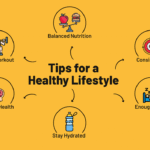




A balanced diet is one of the most important parts of a healthy lifestyle. It provides your body with the right nutrients it needs to function properly, maintain energy levels, and prevent illness. Eating a balanced diet does not mean giving up your favorite foods completely—it means choosing the right foods in the right amounts.
Understanding what to eat and what to avoid can help you build better eating habits and improve your overall health.
What Is a Balanced Diet?
A balanced diet includes a variety of foods from all major food groups. These foods work together to give your body energy, strengthen your immune system, and support growth and repair. The key is balance, not extreme restrictions.
What to Eat in a Balanced Diet
1. Fruits and Vegetables
Fruits and vegetables should make up a large part of your daily meals. They are rich in vitamins, minerals, fiber, and antioxidants. These nutrients help improve digestion, boost immunity, and protect the body from diseases.
- Eat fresh and seasonal fruits
- Include different colors of vegetables
- Aim for at least 4–5 servings per day
2. Whole Grains
Whole grains are an excellent source of energy and fiber. Unlike refined grains, they digest slowly and keep you full for longer.
- Brown rice
- Whole wheat bread
- Oats
- Whole grain pasta
3. Protein-Rich Foods
Protein is essential for muscle growth, repair, and overall body strength. Including enough protein helps keep you active and satisfied after meals.
- Eggs
- Fish and lean meat
- Beans and lentils
- Nuts and seeds
4. Healthy Fats
Not all fats are bad. Healthy fats support brain function and heart health when eaten in moderation.
- Olive oil
- Avocados
- Nuts and seeds
- Fatty fish
5. Dairy or Dairy Alternatives
Dairy products provide calcium and vitamin D, which are important for strong bones and teeth.
- Milk
- Yogurt
- Cheese
- Plant-based alternatives (in moderation)
What to Avoid or Limit
1. Processed and Junk Foods
Processed foods are often high in unhealthy fats, sugar, and salt. Eating them too often can lead to weight gain and health problems.
- Fast food
- Packaged snacks
- Frozen ready meals
2. Sugary Foods and Drinks
Too much sugar can increase the risk of obesity, diabetes, and low energy levels.
- Soft drinks
- Candy and sweets
- Sugary desserts
3. Excess Salt
High salt intake can raise blood pressure and affect heart health.
- Salty snacks
- Processed meats
- Packaged sauces
4. Fried Foods
Fried foods contain unhealthy fats that are hard to digest and harmful when eaten regularly.
- Deep-fried snacks
- Fast food items
Portion Control Matters
Even healthy foods should be eaten in the right portions. Overeating, even nutritious meals, can lead to weight gain. Eating slowly and listening to your body’s hunger signals can help maintain balance.
Simple Tips for a Balanced Diet
- Eat regular meals and avoid skipping
- Drink enough water daily
- Cook at home whenever possible
- Choose fresh foods over packaged ones
- Keep your meals simple and balanced
Conclusion
A balanced diet is not about strict rules or giving up all your favorite foods. It is about making smart choices, eating a variety of foods, and avoiding excess. By focusing on what to eat and what to limit, you can improve your health, increase energy, and support long-term well-being. Small changes in daily eating habits can lead to big, positive results over time.